

FBI Co-deputy Director Andrew Bailey discusses current cyber and physical threats, rise of AI
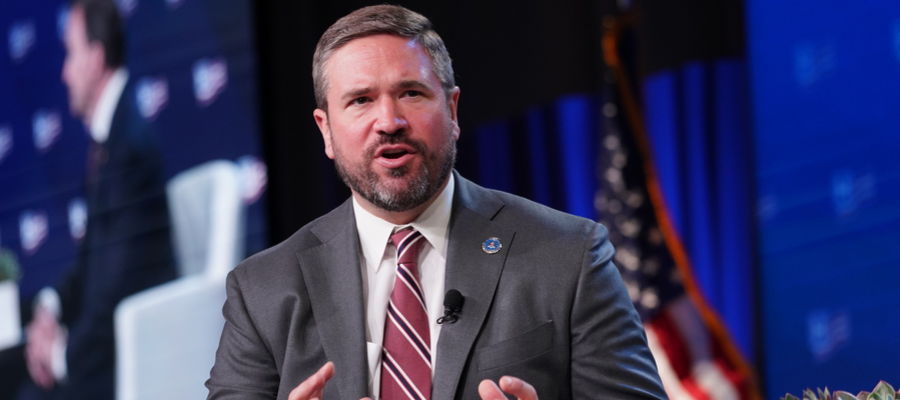
FBI Co-deputy Director Andrew Bailey discussed a rise in cyber and physical threats impacting health care. He discussed health care as the top critical infrastructure sector cybercrime target in 2025, how ransomware attacks have increased in recent years and how they have largely been conducted by Russian-speaking ransomware-as-a-service groups.
“When these attacks hit, the downstream effects move very quickly,” Bailey said. “Ambulances are diverted from the hospitals that can no longer receive them. Elective surgeries are postponed; time-sensitive treatments, oncology, cardiac care — all delayed. At that point, we’re no longer talking about a data crime. We’re talking about physical harm to patients and the American public.”
He also discussed violence against health care workers, as well as the rise of artificial intelligence and its use by malicious actors. In a conversation with John Riggi, AHA national advisor for cybersecurity and risk, Bailey said one concerning factor is that cyber actors have begun using AI to automate activities such as reconnaissance and intrusion, ultimately leading to the exploitation of systems.
“The reconnaissance and the early sequencing can be done in an automated fashion now, which frees up the individuals behind the keyboard to do other things, so they can multitask — that’s problematic,” Bailey said. “Now the good news is that [if] the bad guys can use it on offense, we can use it on defense.”