

How 2026 AHA Rural Health Excellence in Innovation Award finalist Brattleboro Memorial Hospital expands care beyond hospital walls
Brattleboro Memorial Hospital
Brattleboro, Vt.
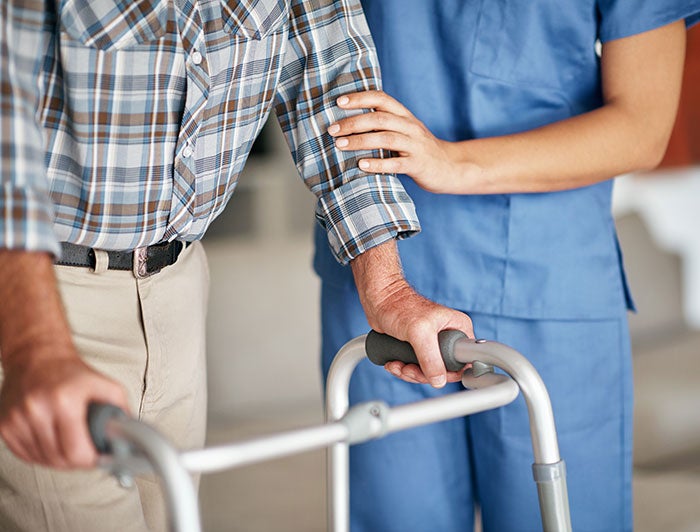
There are three options available if you need to get to a scheduled appointment at Brattleboro Memorial Hospital in southeastern Vermont: You can drive yourself. You can get someone to drive you. Or you can take an ambulance. The third is the option of last resort, but for many in the community, it was the only option to get the care they needed after surgery — even though it was expensive for the patient, led to sometimes unnecessary readmissions and put a strain on the hospital’s workforce. Brattleboro Memorial, a 61-bed not-for-profit community hospital founded in 1904, needed another option. So they created the Mobile Integrated Health Initiative (MIH), which earned the hospital a finalist distinction for the 2026 AHA Rural Health in Innovation Award.
MIH integrates EMS professionals into coordinated care teams in which paramedics provide in-home assessments, education and other means of support. The program began with joint replacement patients but has since expanded to serve patients with chronic conditions such as COPD or congestive heart failure.
“It’s been a huge success with our total joint patients,” Jennifer Carpenter, senior practice manager for surgical services at Brattleboro, told the AHA. “Not only from a patient satisfaction standpoint, but our readmission rates went to zero for many, many months.”
MIH is tailored to the patient’s needs. For example, before a scheduled knee replacement surgery, EMS professionals may do an at-home visit. They provide education for the patient about what to expect; they may also do a home assessment looking for fall hazards, make sure the patient has their medications, and answer questions about the upcoming procedure. After the surgery, paramedics may have a scheduled visit to check on the patient’s recovery, saving them a trip to the hospital. The patient may also call them if they think there’s a problem, but not one that’s worth finding a ride to the emergency room for. EMS professionals even arrive in a station wagon, not an ambulance, which helps create a steady atmosphere from the beginning.
“The paramedics love it because they’ve been able to expand what they do,” said Christine Downs, Brattleboro’s manager of quality and patient safety. “They can sit down, they can talk to the patients — it’s not a rushed, 15-minute appointment in the office. And our clinical staff feel that they have support out in the community that they’ve never had before. Everybody’s busy, so it’s great to have another player on the team.”
Being recognized by the AHA as a Rural Health Excellence in Innovation finalist was a boost to the MIH program and Brattleboro Memorial in general. “It came at a moment when we needed a win,” said Downs. “To be recognized at a national level and then go share our success was a good moment. We’re not only proving our success, but we’re also continuously having interest in our program. I’m in a meeting with someone talking about this program on a weekly basis.”
The program and its AHA recognition, Carpenter says, illustrates the innovation that is so necessary to rural healthcare. “We are always needing to pivot,” Carpenter said. “You can’t stop being creative, especially with the current state of things.”
Downs agreed. “Brattleboro is small, with limited resources. But we can demonstrate large impacts just as well as the bigger hospitals.”
Learn More About the Rural Hospital Excellence in Innovation Award