

Breaking Down Barriers for Aspiring Nurses
How Embedded Nursing School Partnerships Expand Educational Pathways and Strengthen the Nursing Workforce and Retention
Many hospitals and health systems face considerable challenges recruiting and retaining registered nurses, especially in areas where factors related to economics, geography or workforce shortages make it difficult to attract clinicians. Health systems and hospitals have built nursing pipelines by partnering with local colleges and universities, serving as clinical training sites and providing tuition assistance, scholarships and career-development programs. Still, employees and community residents interested in nursing careers may face barriers such as limited program capacity, insufficient financial support and learning models that are hard to balance with work and family responsibilities.
Creating More Accessible Pathways to Nursing Careers
Embedded nursing school partnerships with an accredited education provider have emerged as one potential approach health systems and hospitals can adopt to improve access by expanding educational capacity, offering structured student support and linking academic and clinical training. While investments in traditional educational benefits and academic partnerships remain essential, the embedded school model builds on those strategies by adding academic, financial and personal support to support students in successfully entering and completing nursing programs. Those programs can include associate, accelerated bachelor's, three-year bachelor's degree pathways and other tracks to meet local needs.
For hospital and health system employees, embedded nursing school partnerships can offer career advancement opportunities with program structures that may address the realities of life as a working adult. Embedded schools may also allow non-employees to apply if they reside in the surrounding community, although eligibility, tuition assistance and post-graduation employment arrangements vary by program.
In addition to expanding education access for employees and community members who want to become nurses, this strategy can allow hospitals and health systems to adopt a more intentional approach to workforce planning. Instead of responding to current vacancies, they can leverage workforce projections, anticipated service growth, employee demographics and community needs assessments to anticipate future nursing needs and adjust educational pathways accordingly.
The report includes two real-world examples of how embedded nursing school partnerships can expand educational opportunities and support career mobility while creating a more sustainable nursing pipeline.
Sponsored by:
TrailBLAZERS

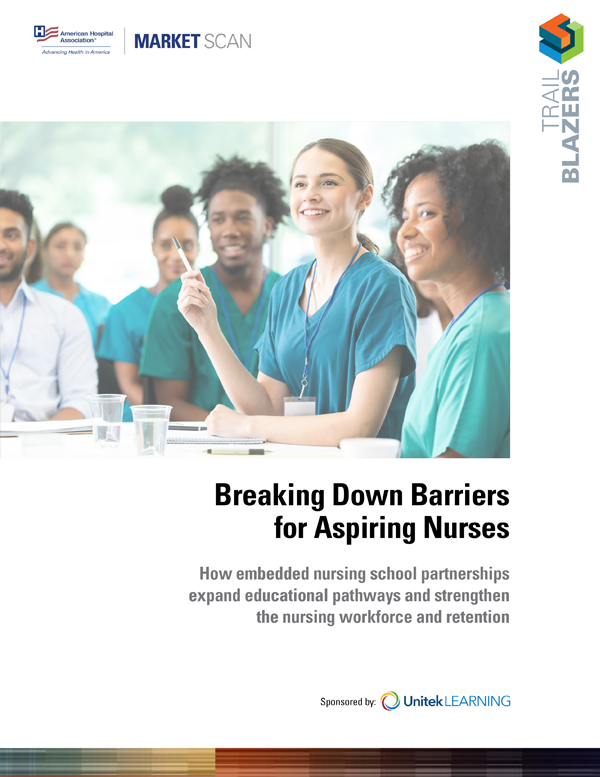
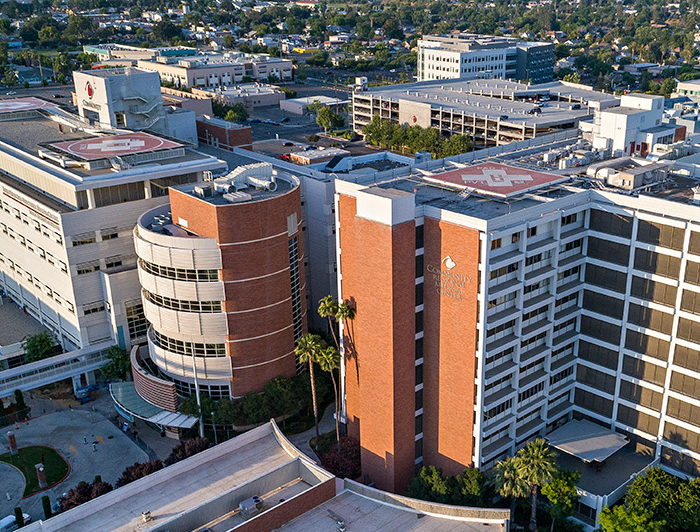
Case Study: Community Health System (Community)
How Community Keeps Aspiring Nurses on Track
Community Health System (Community) is a four-hospital health system based in Fresno, California, and employs approximately 12,000 people, including almost 4,000 nurses. Before launching its embedded nursing school in partnership with Unitek Learning in January 2024, the health system provided educational benefits such as tuition reimbursement, scholarships and workforce development programs. Community has also maintained relationships with colleges and universities, serving as a clinical training site and supporting traditional nursing education pathways.
However, regional demand for nursing education outpaced capacity, leaving many aspiring nurses unable to secure seats in local programs. Entering and completing nursing programs proved particularly challenging for Community team members balancing work, family and financial responsibilities.
The embedded nursing school complements the health system's local academic partnerships and offers Community team members an additional pathway into the profession. Enrollees receive academic instruction through Unitek and clinical training through the health system. Community subsidizes a portion of the tuition, and team members receive discounted rates through the partnership. Flexible scheduling allows students to continue working while enrolled, and they also receive individualized guidance throughout the program. If personal or family circumstances arise, they can pause their studies and re-join a later cohort rather than leave the program completely.
Community views this as an investment in workforce development and retention, creating a pipeline of nurses already familiar with the health system's patients, care environment and culture.
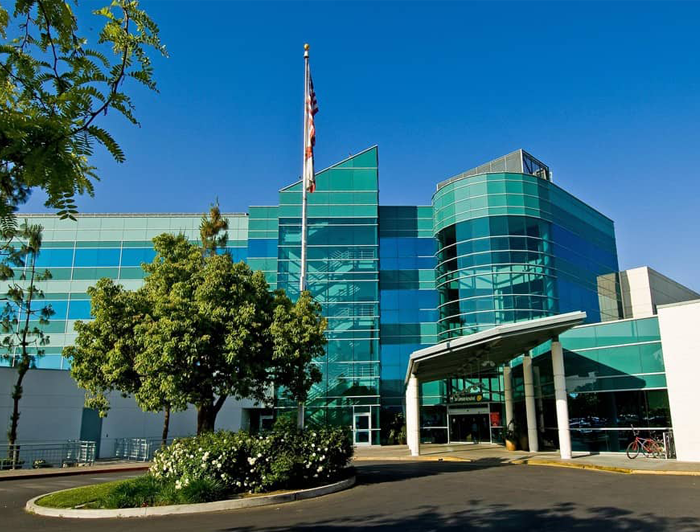
Case Study: Sierra View Medical Center (SVMC)
Taking a Community-Based Approach to Building the Nursing Workforce
Sierra View Medical Center (SVMC) in Porterville, California, is a standalone, 167-bed nonprofit public hospital unaffiliated with a larger health system. Previously, the hospital faced a persistent workforce challenge: recruiting and retaining nurses in a largely rural region. While programs across California were educating plenty of future nurses, many graduates chose to begin their careers in larger metropolitan areas.
SVMC partnered with Unitek Learning in 2019 to create a sustainable, locally-focused workforce solution in the form of an embedded nursing school program. Although the pandemic delayed its debut, the program officially launched in 2022, designed to expand nursing education access for SVMC employees while strengthening the connection between nursing education, clinical training and career opportunities within the community. Enrollees enter the program through either full sponsorship and tuition-reimbursement support and come from various roles, including dietary services, pharmacy, patient access and environmental services.
The program expanded in 2024 to enroll community members in addition to hospital employees; these community participants do not receive tuition assistance from the hospital and are not required to work at SVMC following graduation. Employees receiving sponsorship or tuition reimbursement can offset the cost of their education while pursuing a pathway to nursing roles within the hospital. The program allows students who do not complete a portion of the curriculum to re-enroll with a subsequent cohort, allowing flexibility for working adults.
Hospital leaders say the program helps create internal career pathways for existing employees while increasing the number of RN candidates for the organization.