
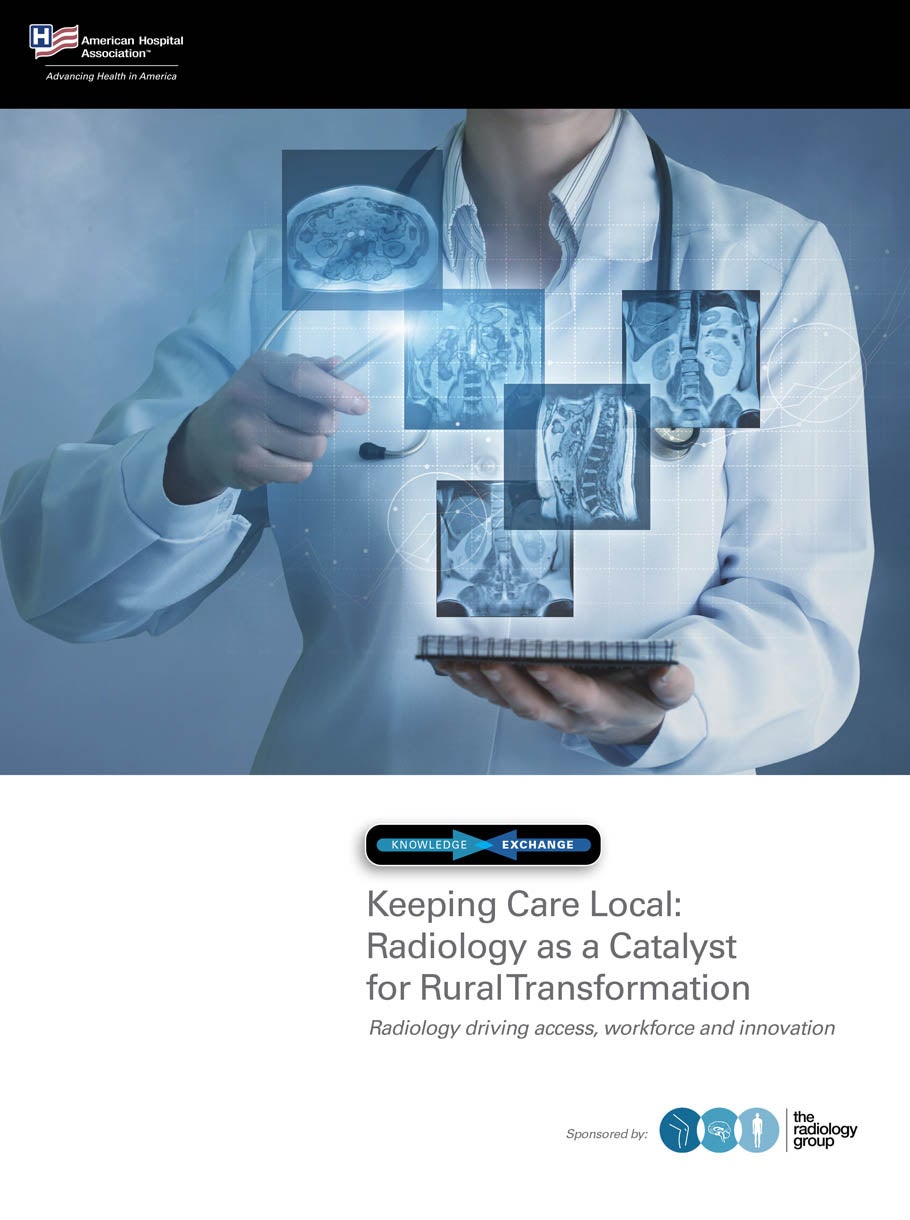
Keeping Care Local: Radiology as a Catalyst for Rural Transformation
AHA Knowledge Exchange
Radiology driving access, workforce and innovation
Radiology plays a vital role in accurate diagnosis, treatment monitoring and minimally invasive procedures. Yet rural communities face a growing access crisis driven by service reductions, workforce attrition and limited availability of advanced imaging. Screening gaps for conditions such as breast and lung cancer remain especially concerning, as early detection significantly improves outcomes. There are meaningful opportunities to strengthen rural care by closing imaging gaps, reducing travel burdens and expanding services through advanced diagnostics. This Knowledge Exchange e-book examines how rural health care leaders optimize existing equipment, build workforce pipelines, strengthen partnerships with radiology groups, and leverage innovation to expand access, reinforce local systems and improve patient outcomes.

6 ways hospital leaders can strengthen rural radiology through partnership and innovation
- Anticipate volatility and build contingency plans. Rural hospitals across the country are losing long-standing radiology groups due to retirements, private equity acquisition/consolidation and workforce shortages. Hospitals must prepare for disruption, even if their current group seems stable.
- Integrate radiology partners into the care team, even if remote. Relationships are essential. Hospitals with strong personal relationships with radiologists reported better service, responsiveness and continuity.
- Strengthen the imaging workforce beyond radiologists. Imaging workforce shortages increasingly center on technologists, often more severe than physician gaps. Hospitals are creating grow-your-own pipelines, tuition programs and high school outreach.
- Make AI and workflow technology core to radiology operations. AI for follow‑up tracking, incidental findings and read prioritization is shifting from “nice to have” to mandatory infrastructure.
- Position radiology as a core driver of hospital transformation. Treat radiology as a strategic service line, not just an imaging function. Radiology supports specialist recruitment and enables the development of new service lines.
- Build future‑ready partnerships through shared accountability. Expect radiology partners to provide measurable performance, transparent reporting and true integration through aligned incentives, shared goals and co‑developed strategies.
Participants
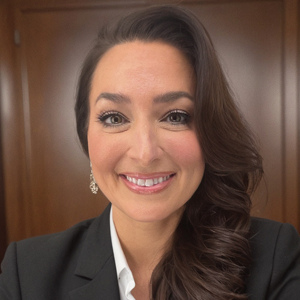
Angela Adams, R.N.
CEO
Inflo Health

Marc Augsburger, MBA, BSN, RHCEOC
President and CEO
Edgerton Hospital and Health Services
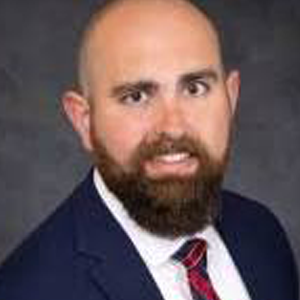
Landon M. Dybdal
CEO
Lake Health District

Shelly Gompf, FACHE, Ed.D.
Chief Operating Officer/Vice President Human Resources
Astera Heath

Dawn Hodges, MBA, SPHR, SHRM-SCP
Chief Human Resources Officer
Campbell County Health

Anand Lalaji, M.D.
CEO
The Radiology Group, LLC

Carrie Lutz, R.N.
CEO
Holton Community Hospital

Shawn Tester, MSOL
CEO
Northeastern Vermont Regional Hospital

Joe Theine, MBA, MHCDS
CEO
Southwest Health System

Moderator:
Suzanna Hoppszallern
Senior Editor, Center for Health Innovation
American Hospital Association
AHA Knowledge Exchange
Gain insights from the C-suite and health care leaders on the most pressing issues and transformational strategies.
Latest Knowledge Exchange