

CDC: One-third of uninsured skimped on prescription medicines because of cost
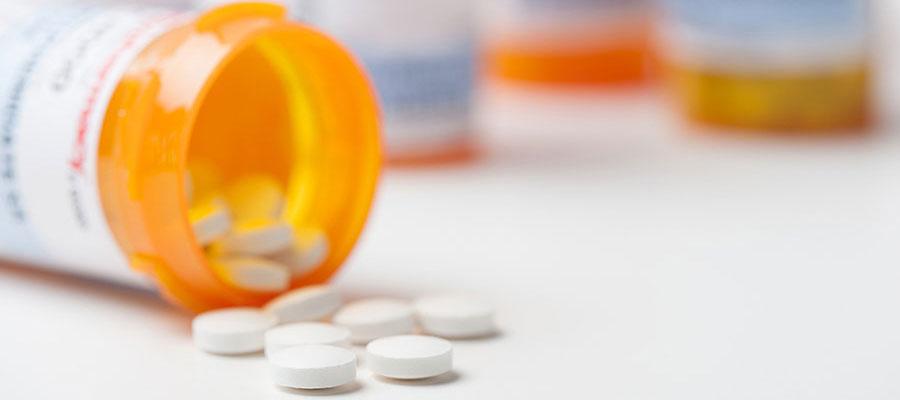
About 34 percent of uninsured U.S. adults did not take their medication as prescribed in 2017 in order to reduce their prescription drug costs, according to a Centers for Disease Control and Prevention report released today. According to the report, among U.S. adults aged 18-64 who were prescribed medication in the past 12 months, the percentage who did not take their medication as prescribed, asked their doctor for a lower-cost medication, or used alternative therapies to reduce prescription drug costs decreased from 2013 through 2015, and then remained relatively constant from 2015 through 2017. In 2017, strategies for reducing prescription drug costs were most commonly practiced among those who were uninsured, as 39.5 percent asked their doctor for a lower-cost medication and 13.9 percent used alternative therapies. Women were more likely than men to use these strategies, according to the report.
AHA has recommended a number of policy solutions to restrain drug prices, from addressing anticompetitive actions by brand-name drug manufacturers to speeding up generic drug approvals and passing the CREATES Act.