

Come for treatment, leave with dinner: Hospital’s care for cancer patients extends beyond hospital walls
St. Anthony Regional Hospital
Carroll, Iowa
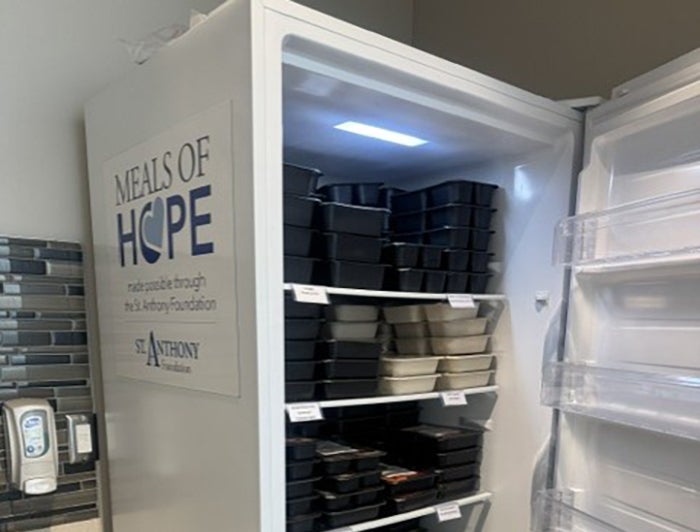
Photo courtesy of St. Anthony Regional Hospital
St. Anthony Regional Hospital’s growing cancer care services extend beyond the hospital and to the dinner table.
The Meals of Hope program, launched in October 2025, grew from concerns that patients were either food insecure or not feeling well enough to prepare a meal after treatment, said Lori Pietig, vice president of clinical operations.
The independent, faith-based hospital serves a farming community in west-central Iowa. The hospital’s primary service area spans six counties and approximately 77,000 people. But its oncology services draw patients from about 17 counties.
Community interest in a different model of cancer care helped drive investment in the cancer center built six years ago, CEO Allen Anderson said. Patients wanted services closer to home and in a more familiar environment than Des Moines or Omaha, which are more than 90 miles from the town. Community donations funded 60% of the center, Anderson said, showing the area’s support for the services.
As patient volumes and referrals increase, oncology provider coverage has expanded from two days to five days a week over two years. As with many things in Iowa, Anderson said, “If you build it, they will come.”
Meals of Hope extends care to patients’ needs beyond their appointments. Staff worked with a dietitian to find ways to offer nutritious food to people who might have little energy or desire to cook after treatment. They also had to find storage, funding and a supplier.
The hospital foundation helped secure a donor, and a nearby supplier, Sisters Meals, offered wholesale pricing. A new freezer holds approximately 225 meals, roughly the quantity the hospital receives each month.
Patients can take meals discreetly; the hospital doesn’t track who uses the resource. Pietig said the meals also are available to caretakers — such as a woman who is caring for both her husband and son as they undergo treatment, and another woman whose husband is “a terrible cook.”
The idea has spread beyond Carroll. After presenting the program at a local oncology network meeting, two other providers started similar efforts, Pietig said.