

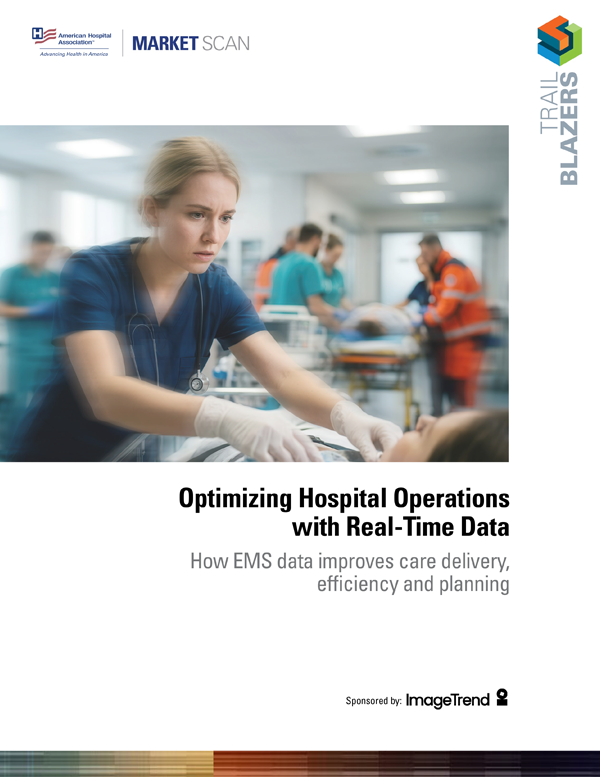
Optimizing Hospital Operations with Real-Time Data
How EMS Data Improves Care Delivery, Efficiency and Planning
Emergency department crowding, boarding, ambulance offload delays and patients who leave without being seen are typically treated as internal challenges for hospitals. However, those issues are also fueled by external factors, such as which emergency medical services (EMS) agencies respond to 911 calls and where they transport patients. While providers maintain detailed records of what happens after patients enter their doors, they often have limited insight into what happens before. Some hospitals have found a way to close that gap with EMS data from their entire service area.
Enhancing decision-making with EMS insights
The National Emergency Medical Services Information System (NEMSIS) — a national database that aggregates data from electronic patient care reports submitted by EMS agencies — provides a strong foundation for EMS analytics, although it does have certain limitations; for example, voluntary agency participation results in regional coverage variations. NEMSIS data helps hospitals mitigate the scope, standardization and latency limitations of traditional data sources. While requesting data directly from the database is an option, this report focuses on hospitals that have opted to work with third-party data service providers that combine the NEMSIS insights with dashboards and analytics.
Regional EMS data allows hospital leaders to consider community demand transfers, transfer and referral activity, EMS destination patterns, clinical and quality measures and patient and volume trends. This facilitates well-informed planning that supports improvements in care coordination and better outcomes for patients.
The report includes real-world examples of how AHA member hospitals are leveraging EMS data from their service areas to make faster, smarter decisions about operational planning, clinical performance and strategic growth.
Sponsored by:
TrailBLAZERS

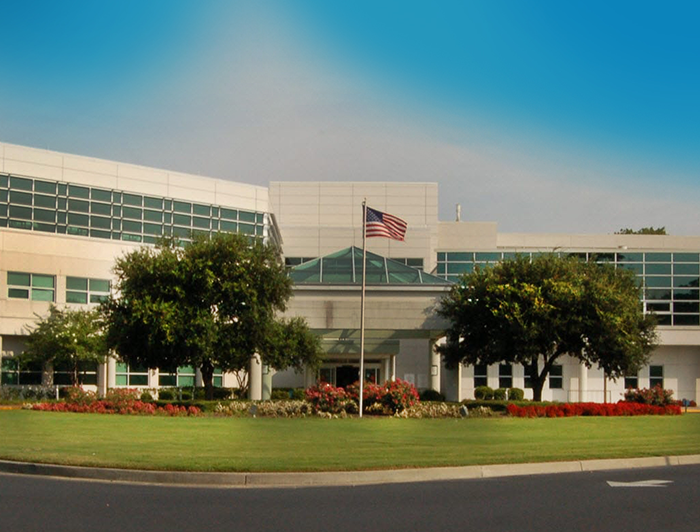
Case Study: Coffee Regional Medical Center
Rebalancing resources to keep patients closer to home
At Coffee Regional Medical Center in Douglas, Georgia, EMS data and analytics help hospital leaders make difficult decisions about how to allocate limited resources. Vicki Lewis, FACHE, president and CEO of Coffee Regional and a 2027 trustee-elect to the AHA Board of Trustees, describes EMS data as “invaluable” for rural health systems balancing the distribution of staff, equipment and facilities across extensive areas.
The 98-bed hospital operates its own EMS agency and extends its capacity with telehealth and an eICU partner program with Atlanta-based Emory Healthcare, in addition to a partnership with Children’s Healthcare of Atlanta for pediatric care. Coffee Regional has used EMS data to determine optimal locations for EMS stations and how many trucks to staff each day based on demand. Regional EMS insights have also influenced the hospital’s clinical protocols and supported grant requests.
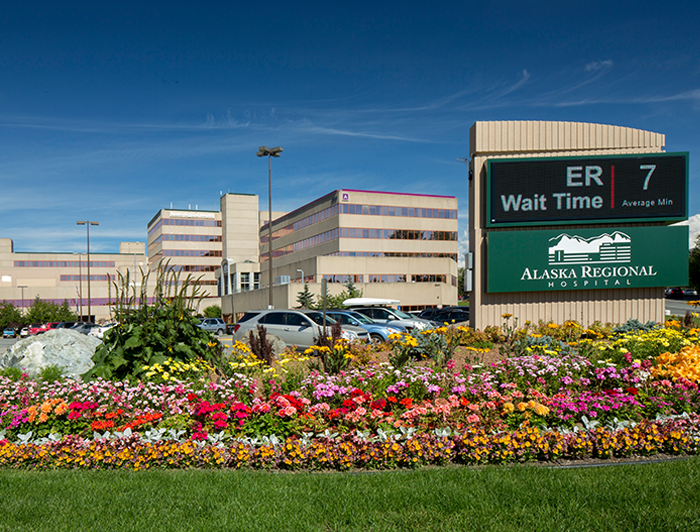
Case Study: Alaska Regional Hospital
Better partnerships through wider visibility
Just three hospitals in Alaska handle most of the state’s critical care cases. Alaska Regional Hospital in Anchorage is one of them, and EMS insights have helped its leaders improve collaboration and save lives statewide. Examining data on the types of patients coming to Alaska Regional versus its partners allows the facility to improve operations for all three hospitals by taking actions such as supporting different service lines.
For example, one regional collaboration led to the creation of a statewide extracorporeal membrane oxygenation program to support hypothermia care. As cardiac arrests caused by hypothermia increase, data now supports the identification of candidates for that treatment modality.
Additionally, Alaska Regional has used real-time data to improve the patient handoff process and has analyzed emergency department flow data to inform shift adjustments, streamlining admission, throughput and staffing levels during high-volume periods.