

CDC alerts clinicians to parechovirus in infants
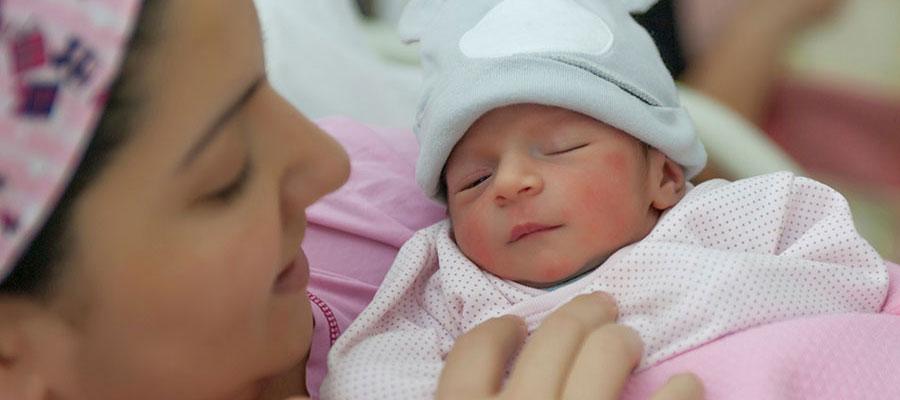
Multiple states have reported parechovirus (PeV) cases in newborns and young infants since May, the Centers for Disease Control and Prevention alerted clinicians and public health departments yesterday. A common infection, PeV has been known to circulate in summer and fall and follow a cyclical pattern, peaking every two to four years. CDC advised clinicians to test for PeV in children with fever, sepsis-like syndrome or neurologic illness. All cases tested to date were PeV-A3, which can cause severe disease.
Related News Articles
Headline
A new blog, part of the Keeping Care Close to Home initiative, discusses how connected care networks are essential to sustaining rural maternal care. The blog…
Blog
When the American Hospital Association launched the Keeping Care Close to Home: Innovations in Rural Maternal Health project in 2025, we set out to understand…
Headline
The Department of Health and Human Services Oct. 9 announced the launch of its Newborn Essentials Support Toolkit Program, which, through partnership with the…
Headline
A study by the University of Minnesota Rural Health Research Center found that between 2007 and 2023, the percentage of midwife-attended births rose in…
Headline
As part of the AHA’s Opportunities for Innovations in Rural Maternal Care initiative, a recent Commonwealth Fund blog discusses strategies hospitals can use to…
Headline
In part three of the AHA’s special Advancing Health podcast series, hear how hospitals are using technology-enabled care and strong regional partnerships to…