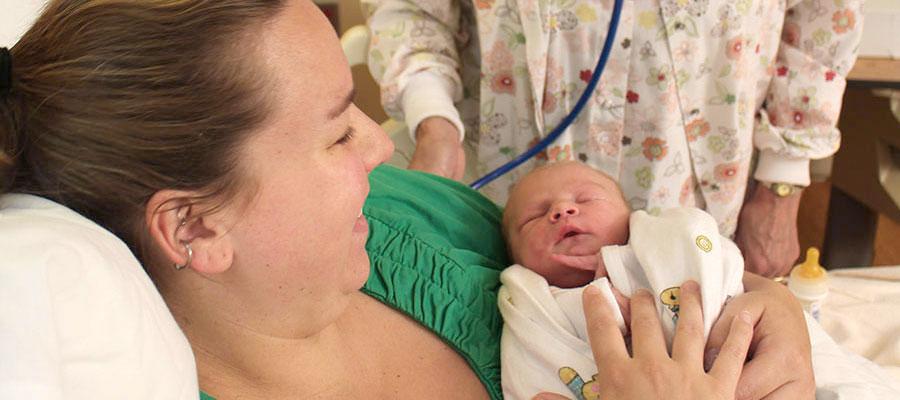

The results of a study published July 16 by JAMA Network Open showed a 19% increase in postpartum primary care provider visits for patients through the use of automated, op-out appointments, reminders and educational messages. 

“More than 30% of pregnant people have at least 1 chronic medical condition, and nearly 20% develop gestational diabetes or pregnancy-related hypertension, increasing the risk of future chronic disease,” the study notes. “While these individuals are often monitored closely during pregnancy, they face major barriers when transitioning to primary care following delivery, due in part to a lack of health care support for this transition.” 

The study noted increases in blood pressure screenings, weight assessments and depression screenings.

Headline
Katie Au, M.D., and Katherine Jorda, M.D., directors of the Perinatal Trauma Clinic at Oregon Health & Science University, explore how…
Headline
The U.S. birth rate declined by 1% in 2025, according to preliminary data released by the Centers for Disease Control and Prevention. The cesarean delivery…
Blog
h2, h3, h4 {color: #002855;} Postpartum hemorrhage (PPH) is one of the most common — and preventable — causes of maternal health in the United States. The…
Headline
The U.S. maternal mortality rate fell to 17.9 deaths per 100,000 live births in 2024, statistically similar to the 2023 rate of 18.6 per 100,000,…
Headline
The AHA and Epic are launching the Safer Births PPH Collaborative, a seven-month initiative designed to support hospitals in reducing postpartum hemorrhage…
Headline
A new blog shares key takeaways from the AHA’s Better Health for Mothers and Babies webinar series, where hospitals share how they are putting the initiative’s…