

AHA urges Senate, House leaders to protect health care coverage
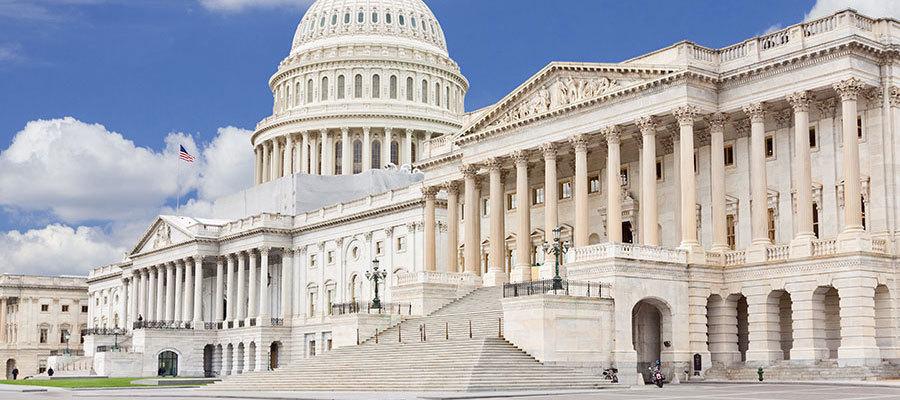
The AHA April 29 urged majority and minority leaders in both the Senate and House to not make disruptive policy changes to Medicaid and other coverage options. As Congress continues to work on a fiscal year 2025 reconciliation package, committees could be considering Medicaid program changes such as moving the underlying finance structure to a per capita cap, reducing the federal medical assistance percentage for certain states and placing new limits on provider taxes.
“Any of these changes would negatively impact state financing for their Medicaid programs, which in turn would harm hospitals and Medicaid beneficiaries,” AHA wrote. “Should states see reductions in federal support for their Medicaid programs, it could force them to further reduce provider payments to account for these losses. It is important to note that the Medicaid program consistently underpays hospitals for the care provided to its patients, even with additional expenditures made by states to adjust for low base payment rates.”
The AHA also urged Congress to extend enhanced premium tax credits that are set to expire at the end of the year.