
Panel recommends offering high-risk patients pill to help prevent HIV
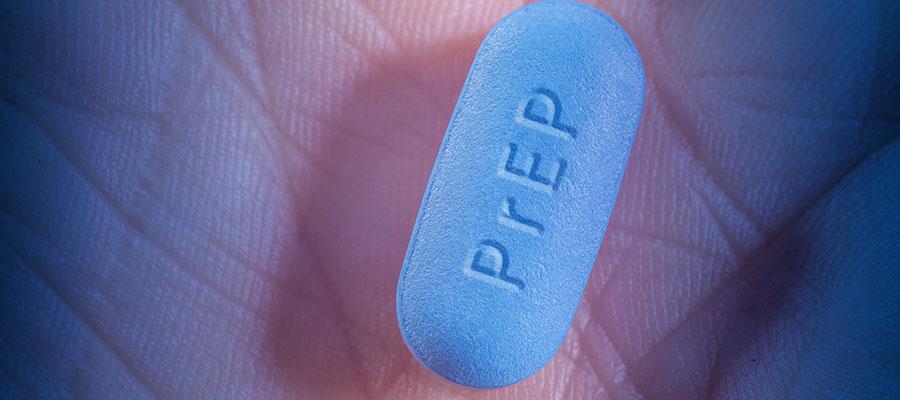
The U.S. Preventive Services Task Force today recommended clinicians offer pre-exposure prophylaxis (PrEP), a pill that helps prevent the spread of HIV, to high-risk patients. High-risk behaviors include having a sex partner with HIV, having sex without a condom with a partner at high risk for HIV and sharing needles or other equipment while injecting drugs, the panel said. PrEP is highly effective at preventing HIV if taken daily, but people who take the pill should continue to use condoms and practice other behaviors to reduce their risk of other sexually transmitted infections, the task force said. It also continued to recommend that clinicians screen for HIV in pregnant women, everyone aged 15 to 65, and others at increased risk for HIV. The panel assigned an “A" grade to the recommendations, meaning all copays and deductibles would be waived under the Affordable Care Act.