

Scientist develops experimental drug that reverses MS-related paralysis and vision loss in lab model
UVA Health
Charlottesville, Va.
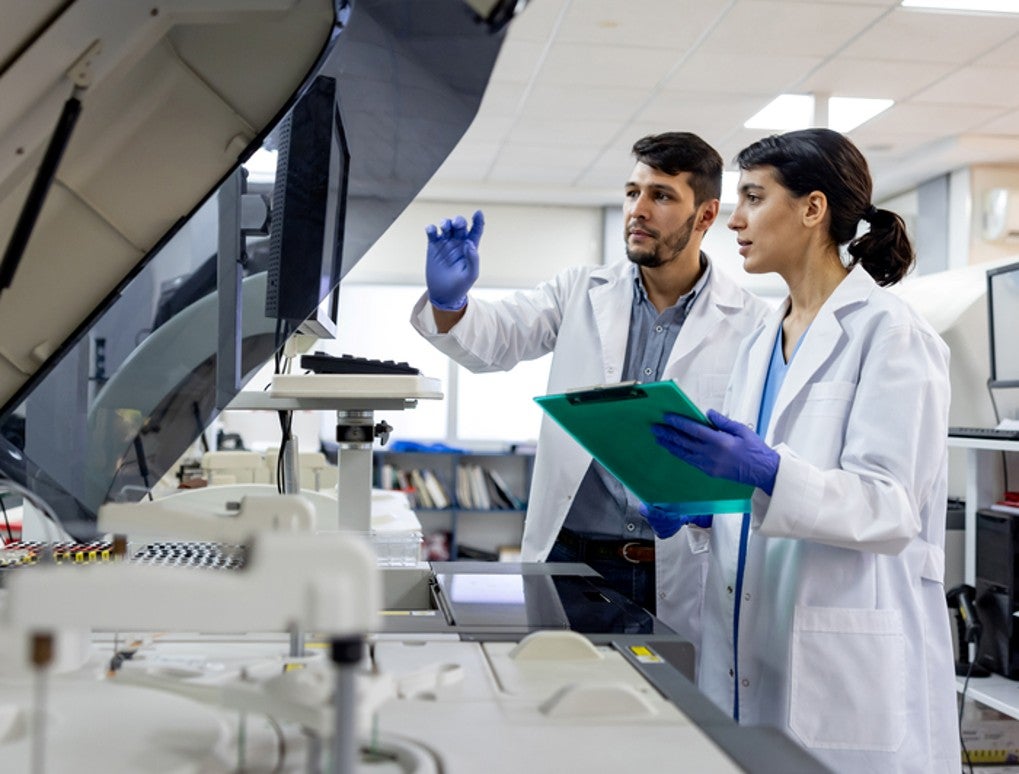
A UVA Health scientist has developed an experimental drug that reversed paralysis and vision loss in a laboratory mouse model of multiple sclerosis (MS), offering a potential new therapy for a disease that currently has no cure. The drug, called Kamuvudine K-9, not only stopped further neurological damage but restored functions that had already been lost — a significant step beyond existing MS treatments, which primarily focus on preventing future flare-ups.
Research led by Dr. Jayakrishna Ambati, founding director of UVA’s Center for Advanced Vision Science and the DuPont Guerry III Professor in the UVA School of Medicine’s Department of Ophthalmology, found that K-9 protected nerve fibers and their myelin insulation from destruction caused by MS.
The drug is a derivative of HIV drugs called nucleoside/nucleotide reverse transcriptase inhibitors (NRTIs), which are already approved for use in humans and appear to reduce the risk of MS. Based on an analysis of health insurance data from more than 3 million people, Dr. Ambati's team reported that NRTI use was associated with a 41% lower risk of developing MS and a 36% reduction in annual relapse rates.
While K-9 remains experimental for MS and must be tested in controlled clinical trials, the findings highlight UVA Health’s efforts to advance cutting-edge treatments for complex neurological diseases. The drug is already being evaluated in clinical trials for eye diseases, which could help accelerate future testing for MS. Researchers believe the work may also lead to new therapies for other inflammatory diseases, including amyotrophic lateral sclerosis (ALS), Alzheimer’s disease and Parkinson’s disease.