

University of Arkansas for Medical Sciences develops new toolkit to help hospitals integrate doulas
UAMS, Mercy Hospital Northwest Arkansas
Arkansas
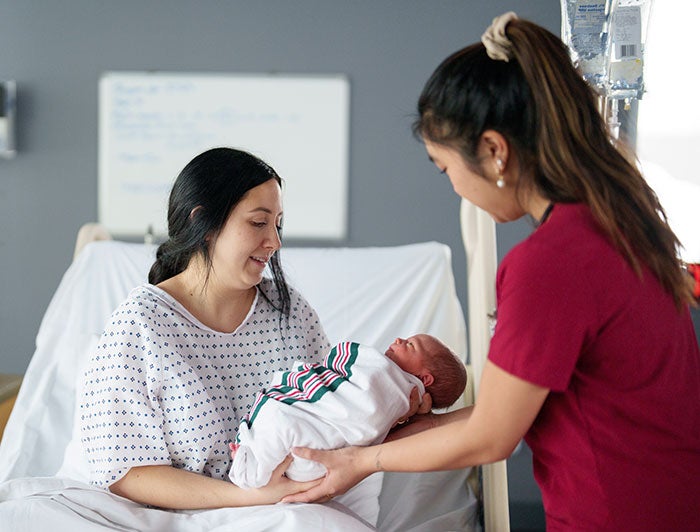
The University of Arkansas for Medical Sciences (UAMS) Institute for Community Health Innovation has launched the Advancing Doulas and Perinatal Teams Toolkit, a new resource designed to help hospitals better integrate doulas into maternal care teams and improve outcomes for mothers and infants. The toolkit provides hospitals with evidence-based strategies, training resources and implementation models that strengthen collaboration between doulas and clinical providers. UAMS is currently piloting the program with Mercy Hospital in Northwest Arkansas, where 45 clinical staff members have already been trained and the hospital has reported a 47% increase in staff understanding of the doula scope of practice.
“Doulas engage families early in pregnancy and support them through postpartum, bringing cultural insight, emotional support and trusted relationships into clinical settings that can feel overwhelming,” said Hannah McHardy, senior director of programs at the UAMS Institute for Community Health Innovation. “Their integration with medical teams creates a continuity of care that drives better outcomes.”
Mercy Hospital Northwest Arkansas is among the first organizations to adopt the toolkit. “Integrating doulas into our care teams is about strengthening coordination, trust and support for mothers throughout pregnancy, birth and postpartum,” said Whitney Tolbert, vice president of patient services at Mercy Hospital Northwest Arkansas. “Doulas are evidence-based partners that can complement the clinical team, help families navigate care with confidence, and improve the overall experience for both patients and providers.”
The toolkit implementation is one part of UAMS’ Doula Expansion Initiative, adding to their work of enrolling 50 individuals to their doula training program that launched in 2025.