


The Future of Physician Workforce Optimization
Building the Clinical and Operational Infrastructure for a Sustainable Future
Health systems are confronting structural limits in physician capacity driven by rising patient demand, persistent specialty shortages and ongoing clinician burnout. Traditional, site-bound coverage models are increasingly difficult to sustain, particularly across distributed systems and high-acuity service lines.
This AHA Market Scan Trailblazers report explores how leading health systems are redesigning physician workforce models through integrated virtual specialty care and automation. Rather than treating virtual care as a temporary solution, these organizations are building scalable clinical and operational infrastructure that allows physician expertise to be deployed more flexibly across sites — improving access, stabilizing coverage and reducing reliance on temporary staffing.
Featuring real-world case studies, the report highlights how unified virtual platforms, standardized workflows and intelligent automation can shorten response times, support clinician well-being and help systems deliver more equitable access to specialty care across rural, suburban and urban communities.
Sponsored by:
TrailBLAZERS

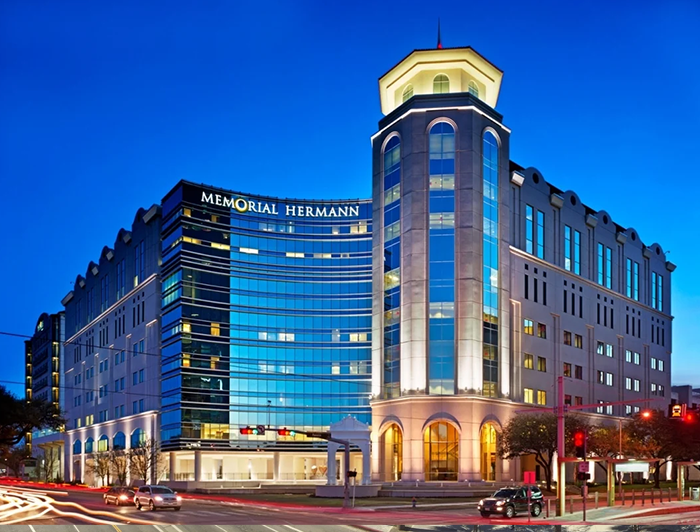
Case Study: Memorial Hermann Health System
Addressing Physician Shortages and Burnout Through Workforce Redesign and Virtual Care
Facing mounting physician shortages and rising burnout, Memorial Hermann Health System launched a multiyear workforce redesign focused on stabilizing clinical capacity rather than incremental hiring. The strategy combined early talent pipeline development, reduction of administrative burden, optimization of site of care and expanded use of virtual specialty support.
By deploying automation, ambient documentation tools and virtual care in shortage specialties, Memorial Hermann redistributed clinical labor more effectively while maintaining access to high-acuity services. The approach reduced avoidable utilization, eased administrative strain on clinicians and demonstrated how coordinated workforce redesign can improve sustainability at scale.
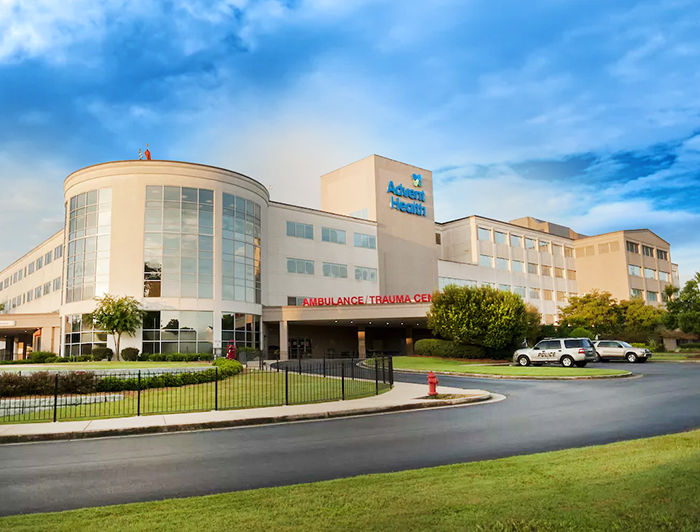
Case Study: AdventHealth Redmond
Sustaining High-Acuity Care Through Virtual Specialty Coverage
AdventHealth Redmond, a regional referral hospital in northwest Georgia, faced critical gaps in specialty coverage that threatened core service lines. To preserve access, the organization embedded virtual specialists directly into inpatient and emergency workflows.
Through standardized virtual consult processes and close collaboration between on-site teams and remote clinicians, AdventHealth Redmond maintained uninterrupted access to nephrology, neurocritical care, psychiatry and other essential services. The model reduced unnecessary transfers and enabled the hospital to continue caring for complex patients locally despite ongoing specialty shortages.
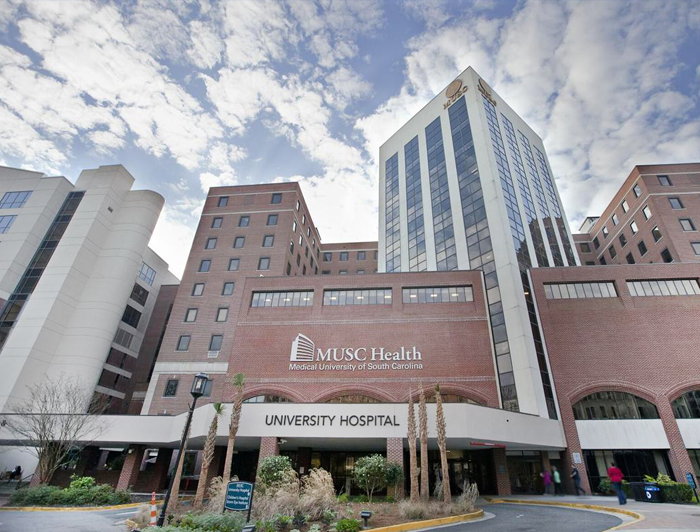
Case Study: MUSC Health
Keeping Complex Patients Closer to Home Through Scaled Inpatient Telespecialty Care
MUSC Health, an academic health system and HRSA-designated National Telehealth Center of Excellence, supports hospitals statewide through a centralized inpatient tele-specialty model. Rural and community hospitals across South Carolina face persistent shortages in neurology, critical care, infectious disease and behavioral health, often driving avoidable patient transfers.
MUSC standardized tele-specialty services across its network, enabling real-time, multi-specialty inpatient consults delivered through shared staffing, consistent workflows and common clinical protocols. Virtual specialists work directly with bedside teams, reinforcing local capabilities and guiding care decisions. The model has reduced unnecessary transfers, improved response times and created a more sustainable way to extend scarce specialist expertise while keeping patients in their home communities.