


Intelligent Revenue Cycle Management
It’s Not Just About Technology, It’s About Using Technology — and People and Processes — Wisely
Health systems are reimagining revenue cycle management (RCM) amid workforce shortages, rising complexity in payer rules and rapid adoption of automation and AI. Intelligent RCM goes beyond deploying new tools: it starts with clear strategy, standardized workflows and engaged teams. This AHA Market Scan Trailblazers report explores how organizations are sequencing technology adoption after strengthening people and processes, resulting in improved financial outcomes, better patient experience and scalable operations.
Leaders featured in this report show how intentional investments in data governance, front- and middle-cycle alignment and change management enable technology to accelerate — not complicate — revenue cycle performance and sustainability.
Sponsored by:
TrailBLAZERS


Case Study: Northwestern Medicine
Standardizing Platforms to Unlock Scalable Improvement
Northwestern Medicine faced fragmented revenue cycle operations across a growing network of hospitals and practices with disparate billing systems and workflows. The organization first consolidated on a single enterprise platform to unify clinical and financial data, enabling consistent workflows, shared KPIs and centralized governance. Only after this foundation was in place did Northwestern introduce robotic process automation and AI tools to handle high-volume revenue cycle tasks. The result was clearer patient financial communications, streamlined operations and improved cycle metrics.
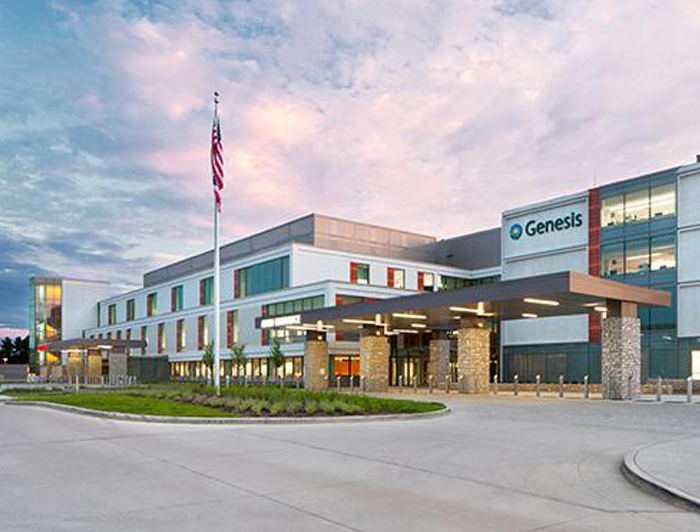
Case Study: Genesis HealthCare System
Targeted Automation After Process Refinement
Rural health system Genesis HealthCare System tailored its RCM transformation to address coding and documentation bottlenecks. Genesis began with process fixes and targeted automation in predictable areas like emergency department coding, validating results through audits before broader rollout. AI tools were later used to support documentation completeness, helping reduce errors and rework. This problem-first, not tech-first, strategy helped preserve staff capacity, improve accuracy and drive measurable improvements in revenue cycle KPIs.