


Community Collaboration
America’s hospitals and health systems play a unique and vital role in supporting the health of their communities, often serving those with the greatest needs. In 2023, hospitals and health systems were responsible for approximately 142 million emergency department visits, over 32 million inpatient admissions and 817 million outpatient visits. As understanding grows around the complex factors that contribute to poor health – many of which extend beyond the traditional boundaries of medical care – hospitals are evolving to take on expanded responsibilities within their communities.
Hospitals increasingly are part of holistic approaches to address both the medical and non-medical drivers of poor health and are primarily able to do so through their community benefit programs.
By collaborating with local organizations and community groups, hospitals can better identify and address specific local needs. These partnerships strengthen support networks that help hospitals connect patients with vital services to address the immediate medical needs and also meet the health needs of their communities. Such outreach is especially important during nonprofit hospitals’ community health needs assessment (CHNA) processes, ensuring that hospitals’ actions are both relevant and actionable.
While all hospitals provide critical services and play a vital role in serving their communities, this webpage specifically profiles nonprofit hospitals and health systems, which must meet specific requirements under their tax-exempt status. As the health care landscape continues to evolve, the importance of these partnerships will only grow, equipping communities to meet the complex and evolving needs of their populations.
Hospital Partnerships
Hospitals partner with numerous types of external organizations to address health and community needs. Of the nonprofit hospitals that reported any partnerships with an outside organization, 98% collaborate with at least two types of external partners, 97% with at least five types of external partners, and 90% partner with 10 or more types of external partners. This demonstrates hospitals and health systems’ commitment to ensuring patients have access to the services they need to stay healthy outside of the hospital.
Hospitals reported active participation in at least one of the three main types of partnerships to address community health: 1) conducting CHNAs, 2) referring or case managing to address patients’ community needs, and 3) implementing community-level collaborative initiatives. Within these three types of partnerships, a study by the RUPRI Center for Health Policy Analysis found that hospitals are often partnering in more than one way with the same organization. Beyond the partnerships created through CHNAs, nearly 91% of nonprofit hospitals work with local organizations to meet patient community needs, and 85% work with local organizations to implement community-level initiatives.
Common Community Benefit Programs
- Food and nutrition programs.
- Free or low-cost screenings for chronic disease prevention.
- Senior wellness and physical fitness programs.
- Health education and outreach programs.
- Maternal and child health initiatives to promote healthy pregnancies.
- Immunization and preventive health services.
- Medical transportation assistance services.
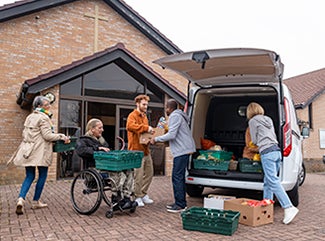
Faith-based Organizations
Purpose
- Build trust and strengthen engagement in communities with limited prior connection to health care systems.
- Provide culturally appropriate health information and services.
- Leverage faith leaders’ insights to better understand community needs and priorities.
- Tailor services and initiatives to better meet the different cultural contexts of diverse patient populations.
Collaborative Activities
- Health education and outreach. Faith leaders and hospitals co-develop culturally relevant health education programs.
- Community health screenings. Hospitals partner with faith-based organizations to provide on-site blood pressure checks, diabetes screenings and immunization clinics.
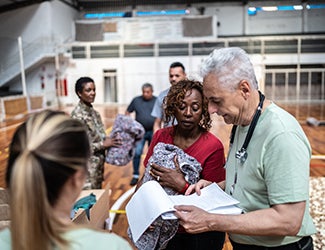
Local and State Health Departments
Purpose
- Improve community health outcomes.
- Coordinate emergency preparedness and response.
- Encourage community engagement and resilience.
- Share date for population health management.
- Address disparities in health outcomes.
- Strengthen community health infrastructure and workforce capacity.
Collaborative Activities
- Emergency preparedness coordination. Hospitals and health departments align staffing, facilities and resources for disaster and pandemic response.
- Syndromic surveillance data exchange. Hospitals share real-time data on ER visit and disease trends to support early detection of outbreaks.
- Joint community health assessments. Hospitals and health departments together develop CHNAs and use findings to shape community health improvement plans.
- Population health measurement. Partners track community health indicators such as maternal mortality, immunization rates and chronic disease prevalence.
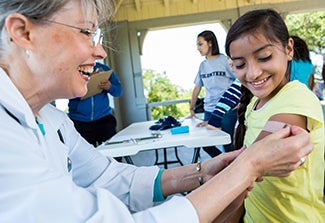
Community-based Health Providers
Purpose
- Ensure continuity of care, particularly for high utilizers of service.
- Better information sharing to improve care transitions across the spectrum of care.
- Opportunities for shared learning and innovation.
- Expand access to primary, behavioral and specialty care outside of the hospital walls.
Collaborative Activities
- Behavioral health integration. Hospitals collaborate with community mental health centers for co-management of patients and to expand access to outpatient services.
- Pharmacy-based services. Hospitals work with local pharmacies to enhance access to care, foster the management of complex medication needs and improve adherence, especially during care transitions.
- Mobile health units. Joint deployment of mobile clinics for preventive screenings, chronic disease management or immunization drives.
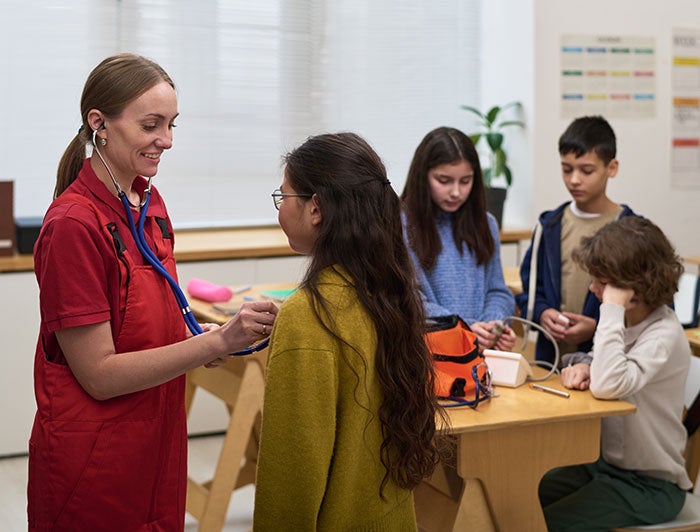
K-12 Schools and Colleges/Universities
Purpose
- Support initiatives that improve student health and well-being.
- Provide opportunities for students interested in healthcare careers.
- Enhance community health through education, prevention and outreach.
Collaborative Activities
- Training and education. Hospitals partner with schools and colleges to introduce students to a broad spectrum of healthcare career opportunities through apprenticeship and internship programs.
- School-based health initiatives. Hospitals collaborate with school systems to provide on-site health screenings, immunizations and health education on nutrition, exercise and mental health.
Community Collaboration in Action
Discover how organizations across the U.S. are improving community health and reducing health disparities.
The biggest threats to children’s health aren’t always clinical — they’re happening in communities every day. In this conversation, Mary Kate Daly, senior vice president and chief of community health of the Patrick M. Magoon Institute for Healthy Communities at Ann & Robert H. Lurie Children’s Hospital of Chicago, explains how long-term investments, powerful community partnerships, and a first-of-its-kind community health hub are leading to better outcomes for kids in Chicago and beyond.
Telling the Hospital Story: Community Partnerships
Explore the amazing stories of hospitals going above and beyond to care for their patients and communities throughout America.
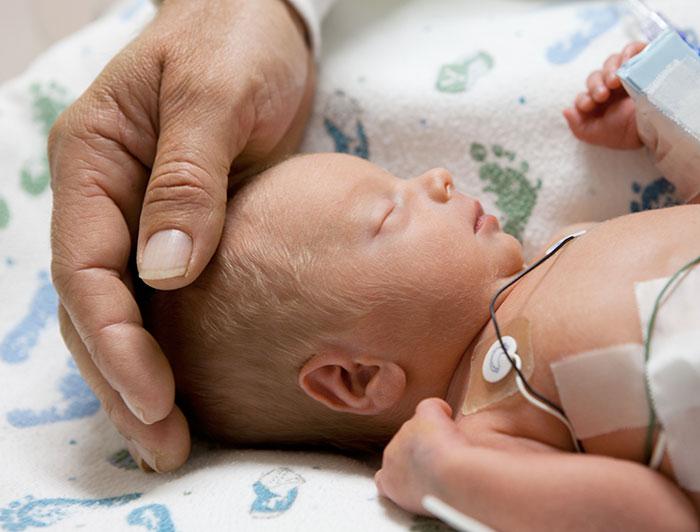
Valleywise Health
Arizona

Maui Memorial Medical Center
Hawaii
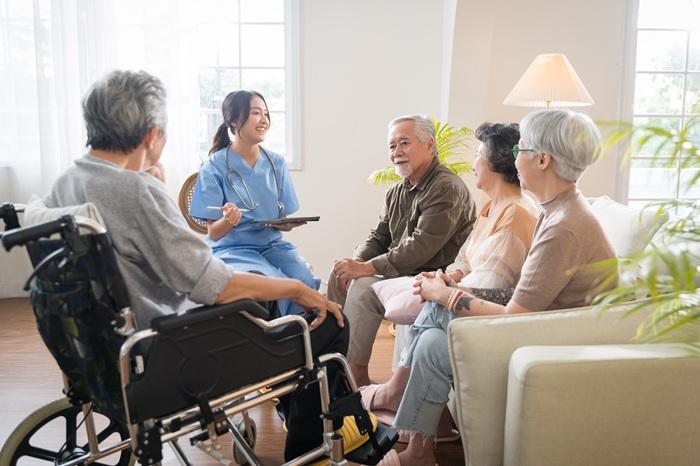
Alaska Native Medical Center
Anchorage, Alaska