

Blog: Front-line Workers Step Up During Record Wildfires
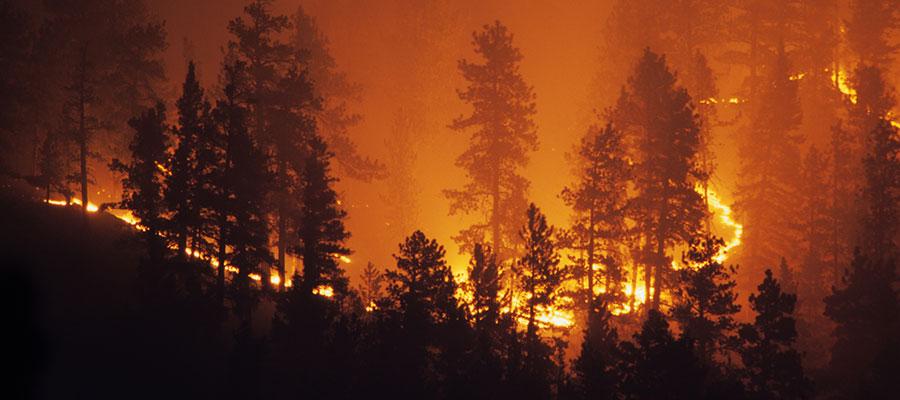
Americans everywhere have watched with increasing dismay and alarm as 94 major wildfires continue to incinerate wide swaths of our beautiful Western states. As of this writing, the infernos — which are most heavily concentrated in California, Washington, Oregon and Idaho — have scorched nearly 5 million acres, an area approximately the size of Connecticut and Rhode Island combined.
We know the fires have taken at least 33 lives so far, spewed dangerous pollutants into the air breathed by millions of people, and caused vast damage to homes, businesses and property.
Again, it is our front-line responders who are answering the cries for help. The incredibly brave firefighters who have battled the flames for a month, evacuated those in danger, and contained the damage as best they can … these selfless people define the meaning of service to others.
Meanwhile, our hospitals, health systems and care teams are tending to the injured and treating so many for smoke inhalation or worse. And our health care workers continue to put the needs of their patients and communities first, even as many of them have lost their own homes. Look for more information about relief funds to support health care heroes. Your superb care and courage remind us all of the ties of humanity that bind us together.
It feels as though the body blows just keep coming in this strange, unprecedented year. But our nation has overcome difficult times before, and it will again.
The AHA stands ready to assist those affected by these wildfires in any way that we can. We join with all Americans in hope and prayer that these fires will be under control soon … and that their threat to life and property will be extinguished.