
Ecosystem Strategies for the Next Era of Health Care
AHA Knowledge Exchange
Redesigning care models and operating structures beyond the four walls
As hospitals and health systems navigate mounting financial pressures, workforce challenges and rapid technological change, success increasingly depends on building interconnected networks of partners, technologies and care delivery channels that extend beyond traditional organizational boundaries. The future of healthcare will be shaped not only by what happens within a health system but also by how effectively it collaborates across an expanding ecosystem. This Knowledge Exchange e-book explores ecosystem-ness, a strategic approach that combines human expertise, digital capabilities and AI-enabled innovation to create more agile, resilient and patient-centered operating models. Healthcare leaders discuss how ecosystem strategies can enhance performance, strengthen governance, expand access, deepen community impact and position organizations for long-term success.

8 strategies leaders can use to build resilient, patient-centered ecosystems for the future
- Expand from “systemness” to ecosystem thinking. Build stronger connections beyond hospitals and clinics by partnering with community organizations, employers, technology companies, academic institutions and other providers. Success will increasingly depend on how effectively organizations connect patients with resources across the broader care ecosystem.
- Design around the patient journey, not organizational silos. Map the entire patient experience across care settings and eliminate friction points. Focus on creating seamless transitions between services, care settings and partners so patients experience a coordinated journey rather than a series of disconnected encounters.
- Use AI to augment caregivers and strengthen human connections. The greatest early opportunity for AI is reducing administrative burden and documentation demands so clinicians can spend more time engaging with patients.
- Create a digital front door that simplifies access. Consumers increasingly expect convenient, personalized and low-friction experiences. Invest in digital tools that support scheduling, navigation, communication and care coordination while maintaining a human-centered experience.
- Establish innovation environments to redesign care delivery. Create pilot programs or “sandbox” settings where teams can test new care models, technologies and workflows free from traditional productivity and operational constraints, generating insights for broader transformation efforts.
- Standardize platforms while enabling local innovation. Enterprise-wide technology platforms can support scale, consistency and interoperability, while allowing local teams to adapt workflows to community needs, balancing standardization with flexibility.
- Align ecosystem strategies with long-term value and investment. Transforming care delivery requires sustained investment and recognition that returns may not occur immediately. Focus on continuity of care, patient loyalty and population health outcomes rather than short-term results.
- Engage boards in shaping a shared vision for human-technology collaboration. Boards play a critical role in positioning AI and ecosystem development as strategic imperatives, prioritizing investments, defining measures of success and advancing cultural change. Effective governance balances innovation, accountability and organizational mission.
Participants
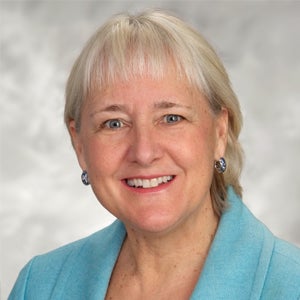
Marjorie Bessel, M.D.
Chief Clinical Officer
Banner Health

Brent Davis
CEO, Primary Health Division
AdventHealth

Sandee Gehrke, FACHE, MBAH
Executive Vice President, Chief Operating Officer
St. Luke’s Health System

James (Jay) Higgins, MHSA, FACHE
Executive Director, National Network Development
Mass General Brigham

Jaya Kumar, M.D., MBA
Executive Vice President and System Chief Medical Officer
Fairview Health Services

Lindsey Lehman, MPH, MHA, FACHE
Associate Administrator, Hospital Operations
Mayo Clinic

Thomas McGinn, M.D., MPH
Senior Executive Vice President, Chief Physician Executive Officer
CommonSpirit Health

Jennifer O’Neill, DNP, APN, NEA-BC
Chief Operating Officer and Senior Vice President for Clinical Operations
RWJBH/Cooperman Barnabas Medical Center

Tipu Puri, M.D., PhD
Chief Medical Officer
UChicago Medicine

David Zaas, M.D., MBA
CEO
Duke University Health System

Moderator:
Elisa Arespacochaga
Group Vice President, Clinical Affairs and Workforce
American Hospital Association
AHA Knowledge Exchange
Gain insights from the C-suite and health care leaders on the most pressing issues and transformational strategies.
Latest Knowledge Exchange