

Adapting to Uncertainty, Learning on the Front Lines and Creating a Purposeful New Normal
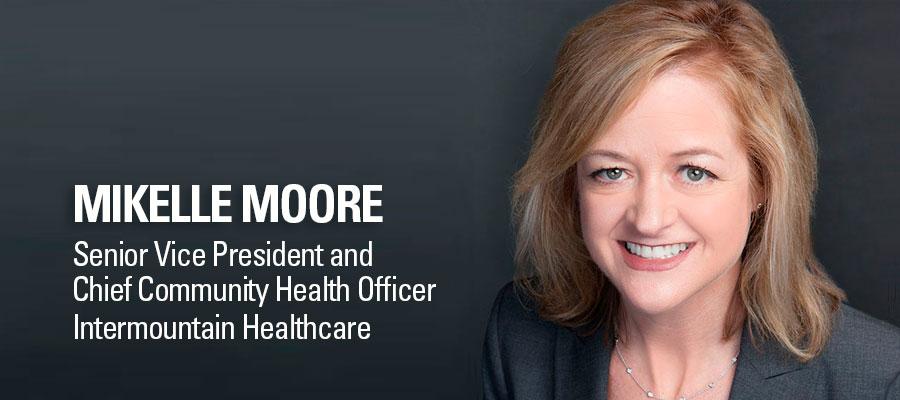
COVID-19. Never have our communities been faced with such a challenge, bringing to light the full spectrum of heartache and resiliency. From the chronic stress to the sense of community that comes with a shared traumatic event, our public health infrastructure stood strong and showed us that we could overcome anything together. As I reflect on the meetings, planning sessions and collaborations, I also pause to remember the toll individuals and families have felt around the globe.
At the same time, we saw hospitals burdened with rushes of patients, emergency extensions of intensive care units, and medicine adapting to the best way to treat a novel virus. We also saw health systems come together in innovative collaboration to keep patients and staff healthy, stand up emotional health resources and take a leading voice across industries.
When I think of the past 18 months, I see a striking imperative where physicians learned from others across the globe in determining the best course of treatment. We saw medical curiosity arise in people banding together to address a looming threat. And we saw caregivers from across the spectrum work tirelessly to address the needs of their community.
We have seen a return to public health principles that have helped more people live healthier and happier lives. We prepared for a nearly nonexistent flu season — where we saw a 98% decrease in flu deaths in the U.S. Likewise, we saw infant RSV cases plummet because people washed their hands, covered their coughs and sneezes with a mask and were physically distanced. We were reminded that public health works.
As I consider what the rest of 2021 and beyond looks like, I’m encouraged by the openness to a shifting and more flexible workforce. I’ve seen more spare rooms, kitchen tables, kids in the background and dogs in laps that remind me that working in health care is essential: It literally saves lives.
Collaboration is becoming the new norm, with previous rivals coming together to innovate and create. We have been given the opportunity to design the life we want to live.
So take some time to reflect on your personal mission, vision and values, and live the life you’ve always wanted.
Mikelle Moore is senior vice president and chief community health officer, Intermountain Healthcare.