

UnitedHealth Group Earnings: What They Suggest about Patient Access to Care
Today UnitedHealth Group announced a jaw-dropping $6 billion in earnings in a single quarter. But not enough has been said about a big contributor to these profits: not paying for health care services. During the same quarter last year the company noted its $9.2 billion in profit was due in part to “broad-based deferral of care.” What that means in real-life: profit was earned off missed childhood vaccinations, reduced access to opioid misuse treatment and avoided emergency care for cardiac arrest. But even this isn’t the full story.
Throughout the course of the pandemic, United pursued a number of changes to its policies to further restrict patients’ coverage. United didn’t just profit from avoided care, it actively sought to scale back what care it would pay for at the same time.
One of these policies: United’s attempt last month to deny some patient claims for emergency services. This was met with appropriate outrage and the company has changed course – for now. However, in the last 12-18 months, United has quietly implemented a number of other coverage restrictions that allow them to spend less on actual patient care. These include:
- Specialty Pharmacy Services. Specialty pharmacy services are generally physician-administered, life-saving treatments like cancer and neurology infusions. In many parts of the country, United has been rolling out coverage restrictions that no longer permit patients to access specialty pharmacy therapies in a hospital outpatient department even if that is where their doctors practice. Instead, the patient must go to a pharmacy chosen by the insurer, which may be a pharmacy run by United’s sister company, Optum. These policies disconnect patients from their care providers, can result in care delays, and introduce quality concerns as the primary provider is not involved in the delivery of the treatment. United has several variations of this policy in place around the country.
- Surgeries. United will no longer cover a large number of surgical procedures performed in hospital outpatient departments. In many instances, the insurer will only cover these surgeries if provided by an ambulatory surgical center, without regard for quality or a patient’s existing relationship with their doctor. Optum has substantial investments in a number of ambulatory surgical centers.
- Lab and Radiology Services. United has announced plans to restrict coverage for many lab and radiology services provided by hospitals and outpatient departments. Many freestanding diagnostic centers cannot perform the advanced imaging that is required in prior to some procedures, which often leads to patients needing to have their diagnostic work redone. This is not just costly and burdensome; it also can create care delays and expose patients to additional radiation.
- Primary Care and Specialty Services. United, the nation’s largest employer of physicians, says it will begin restricting coverage for most physician evaluation and management services provided in hospital outpatient departments, including provider-based clinics, beginning August 1. This means that patients who rely on hospital-based physicians for anything from primary care to specialist services to emergency department visits may have to seek a new source of care. This is likely to create major disruption in patient/provider relationships and create delays and backlogs as patients seek new providers.
United routinely rolls out these coverage restrictions throughout the year, meaning that enrollees purchase their health plans under one set of rules only to later learn that their providers and cost-sharing responsibilities have changed. This uncertainty alone can lead patients to avoid seeking care, which is the last thing we need as we all work to recover from the COVID-19 pandemic.
United’s enrollees deserve better. They entrust billions of dollars each year in the company’s hands with the expectation that their hard-earned dollars will be there for them when they need it. They deserve to have their care paid for and to have the choice of providers they were promised when they purchased their coverage. They deserve to not have their health insurer undermine their quality of their care.
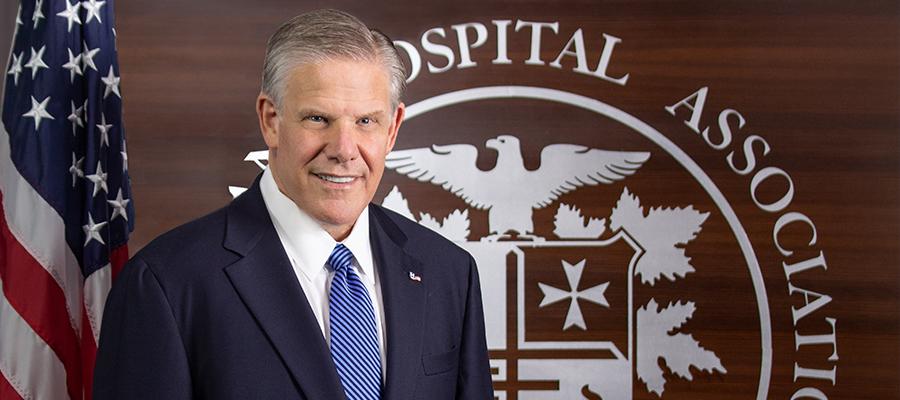
Rick Pollack is AHA’s president and CEO.