

The COVID-19 pandemic has shone a spotlight on many things … good and bad … in our country
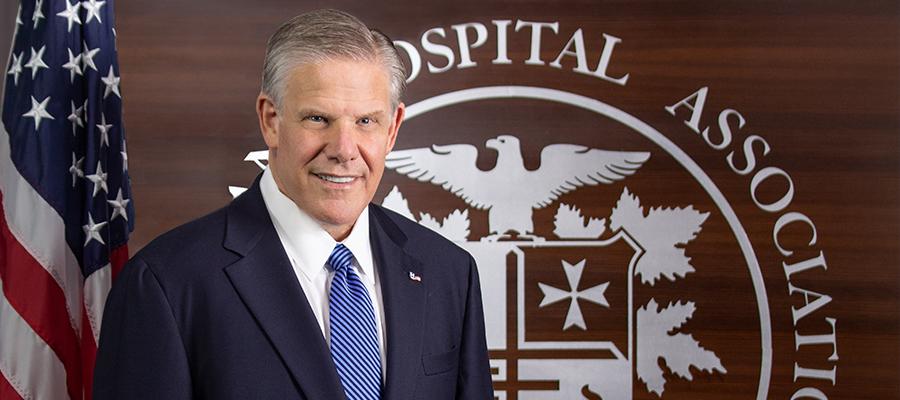
The good — our society clearly recognizes the vital role our hospitals and health systems play in our nation’s critical infrastructure and how important they are to our communities’ health and safety.
The bad — we have seen an increase in the frequency, severity and sophistication of cyberattacks targeting hospitals and health systems.
For example, ransomware attacks in the U.S. have doubled in the last three months with health care being ranked as the most attacked sector, according to a report released this week by the cybersecurity firm Check Point. These types of attacks can result in the cancelation of routine appointments and surgeries, delays in treatment, denied access to electronic health records at critical moments and ambulance diversions.
At the AHA, we have made cybersecurity a top priority. We’re developing and sharing new resources that you can use in your organizations and keeping you updated on the latest threats to our field. We’re also working closely with the federal government because a strong partnership is necessary to enhance our efforts.
And as you know, nearly three years ago we brought on John Riggi to be our senior advisor for cybersecurity and risk. John joined us after a nearly 30-year career with the FBI and is among the nation’s top experts on confronting health care cyber threats. He’s worked with many hospitals and health systems on an individual basis to provide strategic cybersecurity and risk advisory services, as well as conducted educational webinars and training.
As a field, we’ve made great progress to enhance our cybersecurity efforts. But we know, regardless of the level of preparation, no organization is completely immune from these threats.
October is National Cybersecurity Awareness Month, and it’s a good opportunity to reexamine how prepared we are to prevent a cyberattack from disrupting care and potentially endangering patients and their data. And the truth is we need to be doing this each and every day.
Be assured, you aren’t alone in the fight to safeguard your patients and communities from cyberattacks. The AHA is proud to be your partner and support these critical efforts.