


Letters/Comments
The Value of the 340B Program Case Study

 Since 1950, Cookeville Regional Medical Center (CRMC) has grown into one of the region’s premier health care institutions and a critical resource for communities across northern Tennessee and southern Kentucky. CRMC is an independent, city-owned, not-for-profit, 309-bed regional referral medical center serving more than 350,000 residents across 14 counties. As the largest hospital between Nashville and Knoxville, CRMC offers 40 medical specialties and is supported by more than 285 physicians and a total workforce of more than 2,600 employees, making it the region’s largest employer.
CRMC is rooted in service, compassion and community commitment, dedicated to its mission to serve all patients, regardless of their ability to pay. The medical center has a strong focus on the unique needs of its rural population and provides roughly $33 million in uncompensated care each year to its patients.
The 340B Drug Pricing Program, which enables eligible hospitals to purchase certain outpatient drugs at a discount directly from drug companies, plays a critical role in CRMC’s ability to provide affordable and accessible care to the rural communities it serves.
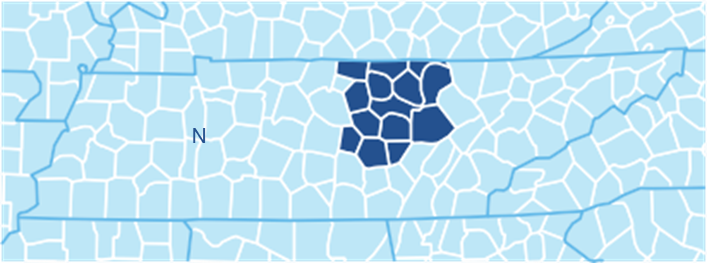 CRMC serves as the primary referral provider for a large rural population across the Upper Cumberland region of Tennessee. The large majority (74%) of its patients are covered by government payers like Medicare and Medicaid, with the number of Medicaid patients on the rise in recent years.
Many CRMC patients travel from surrounding rural counties where access to specialty care and advanced medical treatment is unavailable or limited. A substantial portion of CRMC’s patients is un- or underinsured and face socioeconomic challenges that directly affect their health outcomes, including fixed incomes, transportation barriers and limited access to primary care or preventive care services. Many of these medically vulnerable patients rely on hospital services for chronic disease management, emergency care, oncology treatment and specialty services that are not otherwise available locally.
The 340B Drug Pricing Program plays a critical role in enabling CRMC to meet the needs of its patients. Since CRMC entered the program in 2005, 340B has enabled the hospital to offer treatments and services for the rural communities it serves that would otherwise be unavailable in the region. On average, the program generates $16.9 million in annual savings that the hospital reinvests in the community. 340B program savings have enabled the hospital to invest in a wide range of critical support services that expand access to care and directly benefit underserved populations, including:
For CRMC, the 340B program is essential to sustaining access to care, enhancing patient outcomes and reinforcing the hospital’s role as a critical safety net in a rural region.
“340B has been a godsend for us. It helps us remove financial barriers that would otherwise delay or prevent patients from accessing treatment.”
Buffy Key
Chief Executive Officer
For hospitals like Cookeville Regional Medical Center, support from the 340B program represents a lifeline to maintain a strong health care safety net for the community. However, drug companies increasingly have taken aim at the program’s benefits, imposing countless restrictions on accessing discounted pricing and onerous administrative burdens. For example, CRMC previously operated a 340B contract pharmacy program but was forced to discontinue those partnerships with local pharmacies, limiting patients’ access to essential medications.
As a primary access point for advanced care in a rural region, CRMC — and similar rural hospitals — continue to face rising labor costs, inflationary pressures and inadequate reimbursement rates from government programs like Medicare and Medicaid. Further cuts to the 340B program would only intensify these challenges, further straining already thin operating margins. Most 340B hospitals, including CRMC, operate with margins below 5%, making the program essential to their financial stability.
Congress must protect the 340B program so that safety net hospitals like CRMC can continue to provide accessible, affordable care to their communities.