AHA Center for Health Innovation Market Scan
AHA Patient Safety
Rural hospitals are the lifeline of their communities. Through innovation and collaboration across a multitude of initiatives, rural hospitals and health systems are going above and beyond to ensure that patients can access the high-quality and safe care they need.
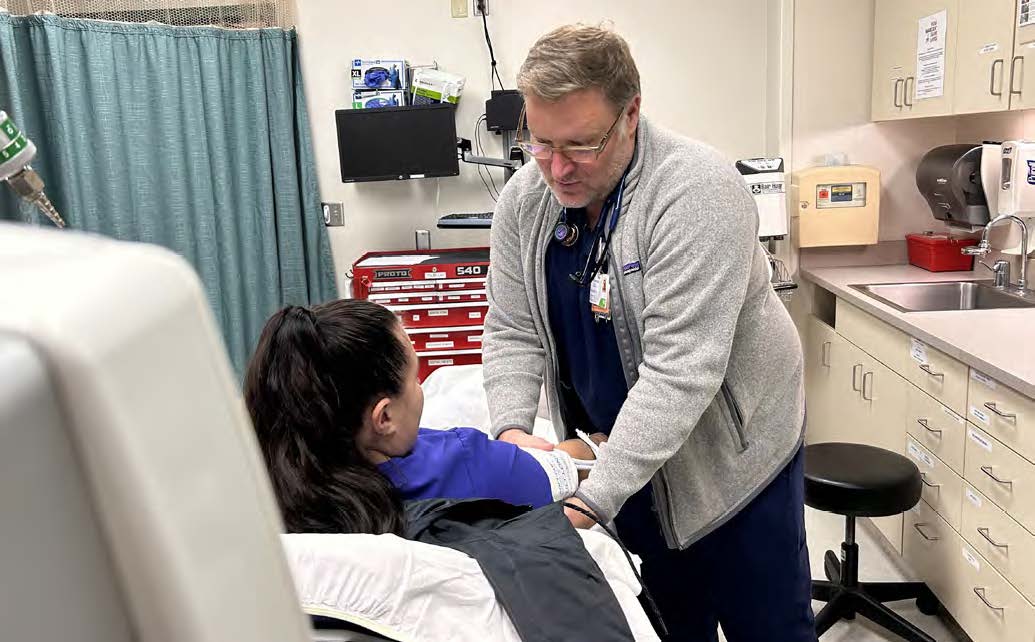 In partnership with Missoula’s Providence St. Patrick Hospital and the University of Montana, Providence Health System launched the RESOLVE rural health collaborative to improve rural access to care and improve health outcomes among rural and Indigenous communities. The first-of-its-kind initiative brings together rural providers, researchers and patients to generate solutions addressing the unique challenges and health disparities their communities face. RESOLVE’s early projects include studies on cardiovascular outcomes and air quality, cancer rehabilitation and emergency response to extreme weather events.
 Colquitt Regional is continually looking for innovative ways to improve patient safety and support positive medical outcomes. The hospital implemented a technology solution enabling both nursing and administrative leaders to complete patient rounds in real time so they can proactively address safety concerns and improve the patient experience. The hospital focuses rounds on fall safety, central line and catheter maintenance. It completed over 21,000 patient rounds since implementing the technology in summer 2023 through spring 2025. Colquitt Regional’s improvements in safety have led to an all-time high in patient satisfaction scores.
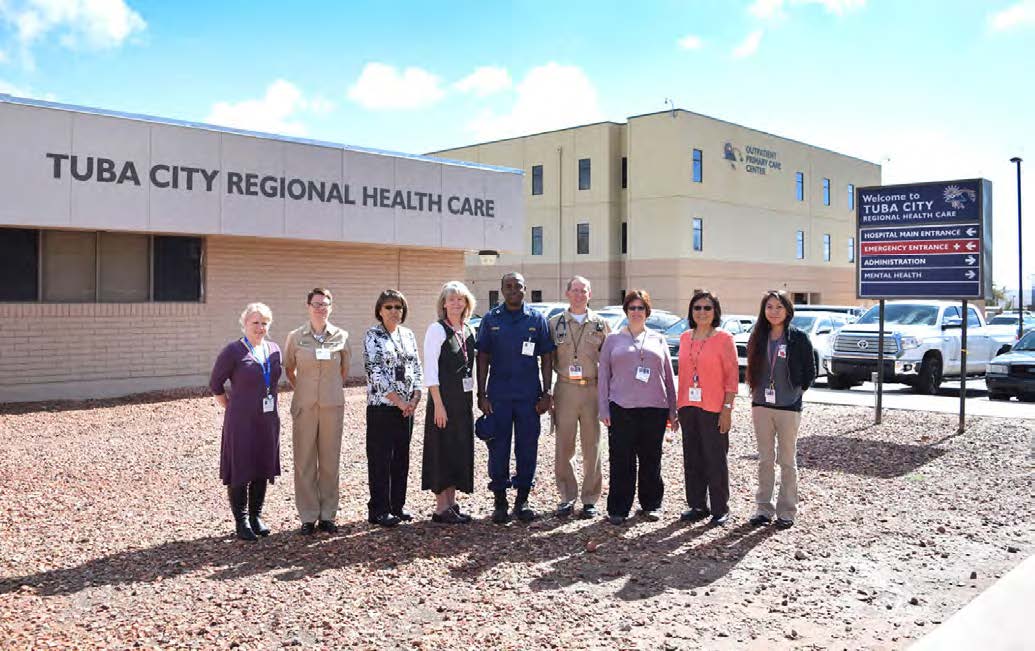 Tuba City Regional Health Care Corporation, located on the Navajo Reservation, brings cultural integration to promote health and wellness within the Navajo community. The Tuba City Health Promotion Disease Prevention Program applies the Navajo traditional philosophy of “Hozhogoo Iina – Walk in Beauty” as represented by the Four Directions – East, South, West, and North – to primary prevention efforts. The program focuses on diabetes-related health education, community-oriented activities for youth and adults and general community health education. The program also offers year-round physical activity programs. By educating and empowering community members to sustain healthy habits and help prevent chronic diseases like diabetes that impact Native American populations at higher rates, the Tuba City Regional Health Care Corporation is keeping patients safe.
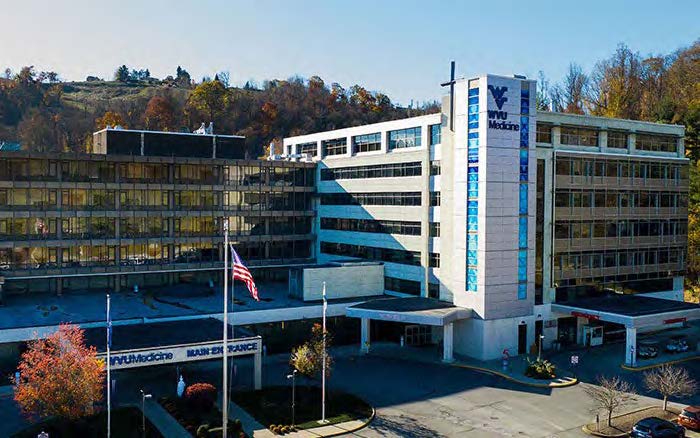 Recognizing the importance of early interventions, Wheeling Hospital opened the Connected Care Center in February 2024 to help diagnose conditions early—especially chronic conditions, which tend to disproportionately impact rural Americans. The Connected Care Center is designed to improve West Virginians’ access to routine screenings and preventative services such as breast cancer screenings, colonoscopy screenings, annual well visits and bone density scans. In addition to helping connect more patients with primary care services, the patient-centered approach helps clinicians understand the social and economic factors that are often barriers to care, including food security and transportation challenges. In its first three months, the Connected Care Center served more than 300 patients and helped close more than 350 gaps in care.