Letters/Comments
AHA Patient Safety
Hospitals and health systems across the country are using artificial intelligence to enhance patient safety by improving care efficiency, supporting clinician decision-making and bettering patient health outcomes. Through a wide range of AI initiatives, hospitals are revolutionizing care from surgical procedures to fall prevention. Below are examples of how America's hospitals are using innovative AI programs to support high quality care and enhance the patient experience.
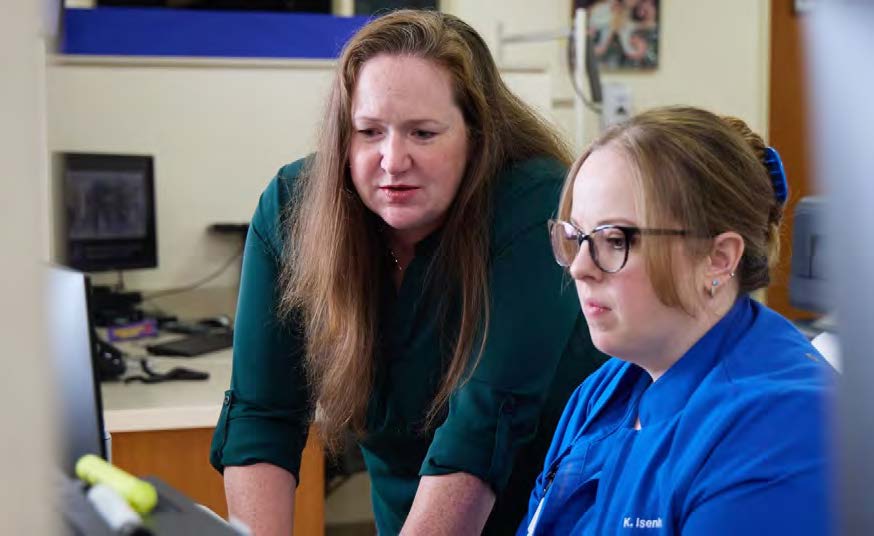 Emergency teams at Adventist HealthCare are using KATE AI to support their triage decisions, helping them verify care plans for patients who are at high risk or have more complex conditions. The technology analyzes a patient’s symptoms against deidentified, historical medical records data and delivers information to providers about the appropriate level of care. The tool supports providers’ decision-making and helps increase the accuracy of emergency department triage, ensuring patients receive the right hospital services from the right care teams at the right time. The tool also helps Adventist HealthCare reduce emergency wait times, expedite admittance or discharge decisions and reduce the number of days patients might spend in the hospital. The technology also identifies and eliminates systemic biases in triage such as any age bias.
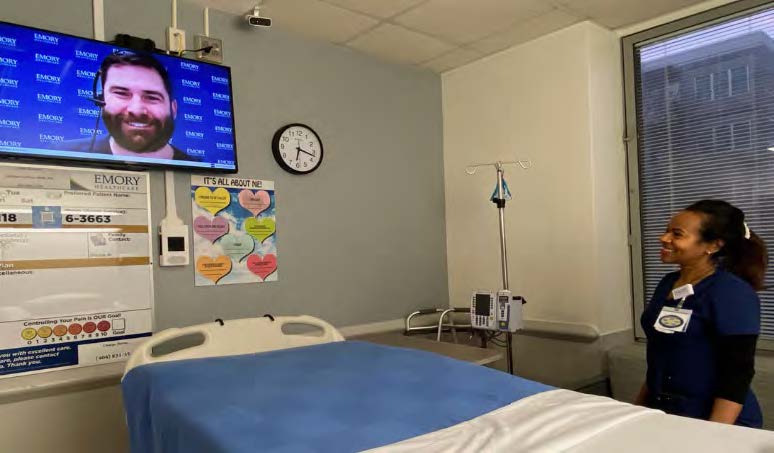 Emory University Hospital Midtown, in collaboration with VirtuSense Technologies, is using AI-enabled LIDAR (LIght Detection And Ranging) technology to keep patients safe by assisting nurses with daily tasks and monitoring patients so clinicians can focus more on active care. With LIDAR technology in patient rooms, patients are monitored for movements that could lead to falls, alerting the care team up to 30 seconds before a fall occurs. At the same time, an automated voice tells the patient to remain in their bed until the care team arrives. The software and AI technology help the virtual nursing team carefully monitor patient data to quickly detection signs of deterioration or emergencies, providing the ability to alert bedside care teams when warranted.
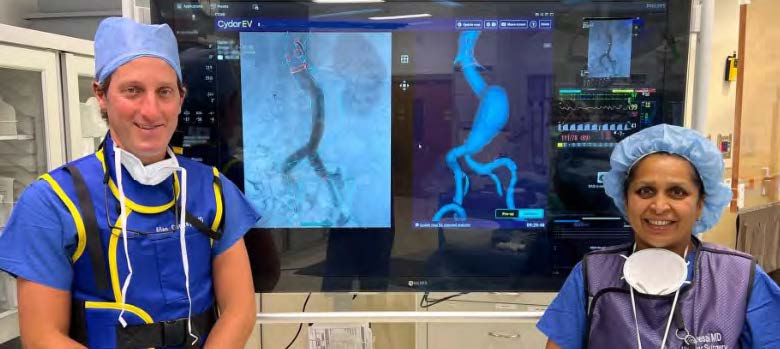 MarinHealth uses the AI-equipped Cydar Maps surgical platform to empower their surgeons and clinicians with more knowledge to navigate complex vascular procedures with greater precision. The tool creates a detailed 3D map personalized to each patient’s unique anatomy for pre-surgical planning, provides real-time image guidance during surgery and generates an automated post-operative evaluation of surgical outcomes. This tool not only enhances the surgeon's visualization but also aids the surgeon's decision-making in the operating room and helps guide decisions throughout the entire patient care pathway, resulting in better patient outcomes and improved efficiency.
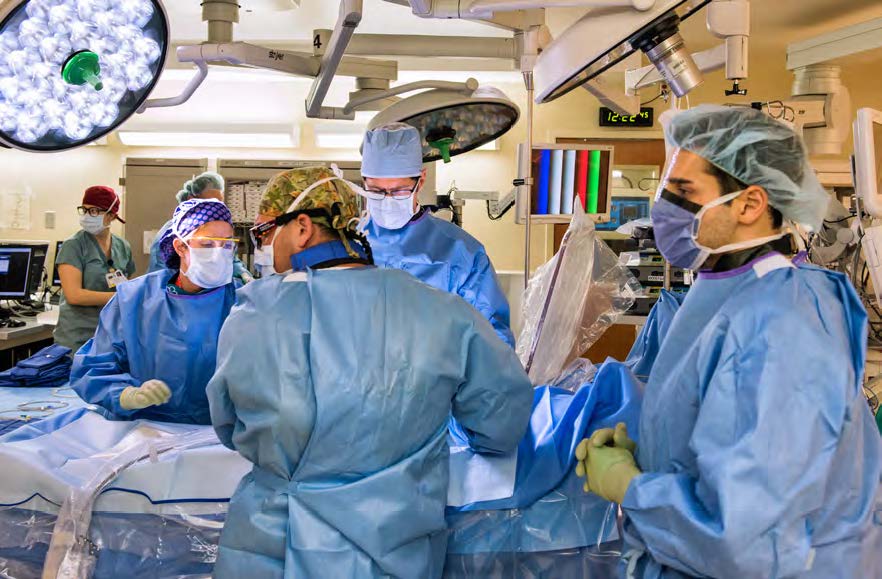 Tampa General Hospital launched Apella, an AI-enabled technology platform that offers perioperative teams a 360-degree view of operating rooms in real time so they can make more informed decisions, respond to immediate needs, anticipate next steps and plan future operations. With Apella providing predictive case durations, turnover durations and staffing suggestions, Tampa General is saving more than 3,000 minutes per week that were previously lost to surgical inefficiencies. This means Tampa General has the potential to schedule more than 600 procedures each year that it otherwise could not have offered. The benefits of this are clear: it improves access to care and allows patients to spend less time in an operating room, lowering their risk and accelerating their recovery.