

AHA Center for Health Innovation Market Scan
AHA Patient Safety
Healthy pregnancies and ensuring a strong start for all children are a cornerstone to advancing the nation’s health. Hospitals and health systems nationwide are improving patient safety through practices that prioritize the physical, mental and social health of patients throughout pregnancy, infancy and beyond.
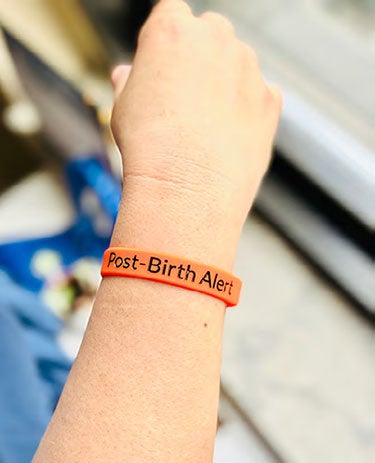 Research shows that women in the first six to twelve weeks after delivering a baby are at higher risk of dying from pregnancy and birth-related complications such as blood clots or sepsis. To address this, FHN Memorial Hospital gives each of its postpartum patients an orange wristband that serves as a safety alert, as they are asked to wear it from the time of discharge until their postpartum appointment with their provider. If a new mother experiences a medical emergency and is not able to communicate, the bracelet informs providers and emergency personnel of her postpartum status. Thanks to these alerts, FHN has increased the percentage of time when patients are triaged by a nurse within 10 minutes from 39% to 58%.
 Nebraska Methodist Women’s Hospital, in collaboration with VirtuSense Technologies, is using AI-enabled LIDAR (LIght Detection And Ranging) technology to keep patients safe by assisting nurses with daily tasks and monitoring patients so clinicians can focus more on active care. With LIDAR technology in patient rooms, patients are monitored for movements that could lead to falls, alerting the care team up to 30 seconds before a fall occurs. At the same time, an automated voice tells the patient to remain in their bed until the care team arrives. The software and AI technology help the virtual nursing team carefully monitor patient data to quickly detection signs of deterioration or emergencies, providing the ability to alert bedside care teams when warranted.
 Recognizing the inherent risks associated with childbirth, Tennova Healthcare – Clarksville implemented new technology to make the delivery process safer for mothers and babies. Its artificial intelligence-based maternal-fetal early warning system monitors vital signs, contraction, and other biomedical markers in real-time. This helps clinicians quickly understand if the baby or mother are beginning to experience complications, providing critical time for early intervention to help ensure a safe delivery. To further amplify the impact of this AI-powered technology, the maternity team reviews aggregate childbirth data collected by the system to identify trends and opportunities for the hospital to further improve its safety protocols.
