

Siskin Hospital for Physical Rehabilitation Post-Acute Care Case Study
Post-Acute Care CARE (PAC) | Case Study
Overview

Located in Chattanooga, Tenn., Siskin Hospital for Physical Rehabilitation is Tennessee’s largest inpatient rehabilitation facility (IRF) and is one of a handful of freestanding, independent not-for-profit rehabilitation hospitals in the nation. IRFs play a unique and valuable role within the Medicare program by treating patients who require both hospital-level care and intensive rehabilitation.
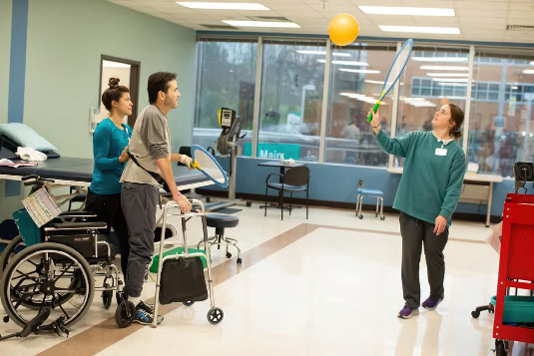
Since it opened its doors in early 1990, Siskin Hospital has been dedicated to supporting patients’ recovery from a catastrophic injury, surgery or illness. With a team of specialists, including physical, occupational, speech and respiratory therapists, as well as neuropsychologists — all led by physiatrists –– Siskin Hospital maintains 196 beds and helps more than 2,700 patients return home each year.
Siskin Hospital serves a wide age group –– from teenagers to centenarians experiencing a range of illnesses and injuries. Each floor at Siskin Hospital specializes in specific conditions, including recovery from strokes, cardiac events, spinal cord injuries and brain injuries. It also maintains a transitional apartment inside the facility to help patients and family members practice activities of daily living like showering, getting out of bed, toileting and navigating the home environment safely with medical equipment.

The hospital offers a whole-person approach to care. Embracing food as medicine is core practice at Siskin Hospital: In addition to providing nutritious meals (including vegetarian and vegan options), the hospital maintains an on-site, all-organic microgarden and offers occupational therapy opportunities for patients to pick produce. There is a large Healing Garden on the hospital grounds, enabling patients to connect with nature. The hospital also offers art, music and pet therapy — many patients love Hope, the hospital’s therapy dog, who also lives with a disability as an amputee. The hospital also helps address patients’ spiritual needs by providing non-denominational services each Sunday and Chaplaincy services.
Siskin Hospital’s high-tech approach helps it further improve patient outcomes and satisfaction. Digital whiteboards allow patients to see their care plan in real time. Remote video monitoring helps keep patients who require extra care safe while preserving their privacy and dignity. Siskin Hospital maintains several nationally recognized certifications and is well-known across the country as a leader in rehabilitative care. After being discharged, patients can continue therapy at one of Siskin Hospital’s six outpatient clinics. Watch a virtual tour of Siskin Hospital and see the full suite of services they provide.
IRF Delivery Challenges Impact Patient Care
IRFs like Siskin Hospital play a critical role in helping patients with life-altering conditions recover while alleviating the burden on America’s acute care hospitals. Unfortunately, they are facing several major challenges that impact patients’ access to care.
Insurance Denials — A growing number of patients with Medicare Advantage (MA) and commercial insurance are being told their care will not be covered through denied prior authorization requests, forcing them to pay out-of-pocket or remain in acute care hospitals longer than necessary as they search for discharge options. Prior authorization causes needless delays and frustrations for families and providers.
“The life-altering conditions of the patients who come through our doors could happen to any one of us, and everyone at Siskin Hospitals strives to provide the care they themselves would want to receive. That’s why everything we provide — from physical and occupational therapy to incorporating art, music, nature, nutritious food and spiritual comfort — matters. This holistic approach is designed to help patients feel more motivated, calm and at peace. We believe all this improves patient outcomes and helps them return home to their families sooner.”
MATTHEW GIBSON, PHD, FACHE
President and CEO of Siskin Hospital for Physical Rehabilitation

Patient Steerage to Less Appropriate Settings — Each healthcare setting is specially designed to treat patients according to their clinical acuity. But when MA plans and commercial insurers deny care, it often forces patients to seek care in settings that are less equipped to meet their clinical needs. Another factor that influences patient steerage to less appropriate settings is network inadequacy, since some MA plans do not partner with any IRFs. Patients with those plans must pay out-of-pocket for medically necessary IRF care or go to another post-acute care provider that is covered but may not meet their clinical needs. This can adversely affect patient outcomes and increase the risk of rehospitalization, potentially leading to higher downstream costs.
Proposed Cuts to Medicaid Supplemental Payment Programs — Medicaid is critical to millions of Americans, enabling low-income patients to access vital services like IRF care. Supplemental payment programs help hospitals, including those in non-expansion states, care for this complex population by addressing chronically inadequate base Medicaid payment rates. Unfortunately, as hospitals like Siskin Hospital see more Medicaid patients come through their doors, the Centers for Medicare & Medicaid Services (CMS) has proposed slashing supplemental Medicaid payments, which could threaten patient access to care.
Four Solutions to Protect Patient Access to Intensive Post-acute Care
MA plans are an increasingly popular choice for older Americans, and measures must be taken to ensure that patients who require post-acute care services are able to access them in a timely fashion. Accessing inpatient rehabilitation care as soon as clinically appropriate is critical for regaining function after a traumatic injury or illness. Delays in a patient’s rehabilitation risk reducing ultimate recovery potential.
Four potential solutions to help protect patient access to post-acute care include:
- CMS should add inpatient rehabilitation services to its network adequacy list requiring all MA plans to include IRFs in their provider networks. This change would ensure that all patients with MA plans are given the option to receive appropriate post-acute care as prescribed by their physicians on an “in-network” basis
- CMS should conduct regular audits to ensure MA providers include robust post-acute care options with sufficient bed spaces and resources to provide the in-network care that patients need.
- Policymakers must put patient safeguards around prior authorization, which can create dangerous delays in patients’ access to care and is often lengthy and taxing on providers’ time and resources that should otherwise be devoted to patient care.
- Policymakers must ensure Medicaid supplemental payment programs are adequately funded to strengthen Americans’ access to care.
Post-Acute Care (PAC): Case Studies
Key Resources
Related Resources
Letters/Comments
AHA Center for Health Innovation Market Scan