

Springfield Memorial Hospital | Springfield, Illinois
Patient Safety Member Story
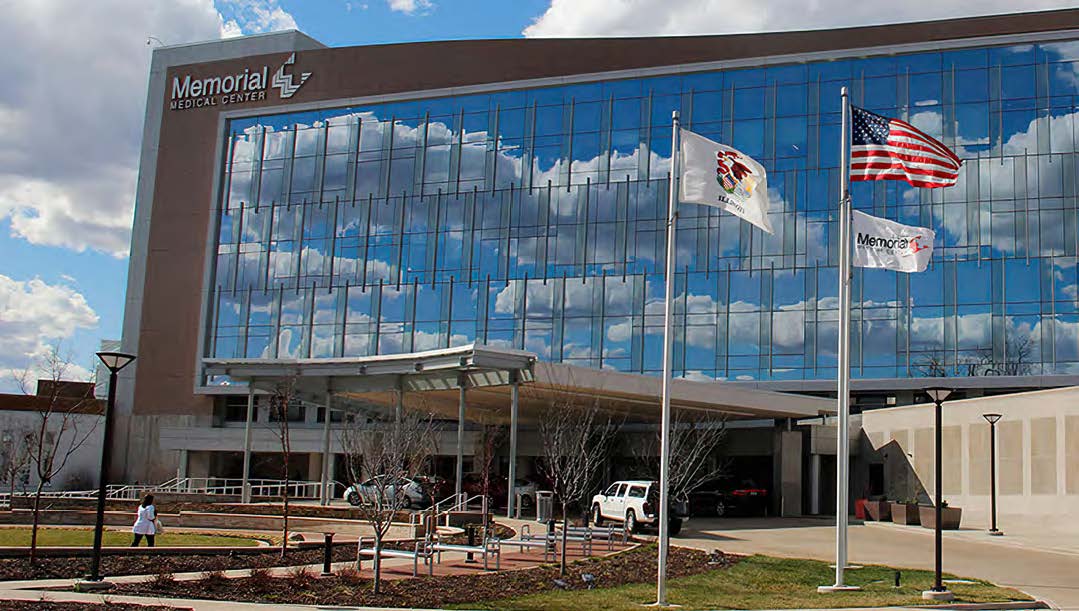
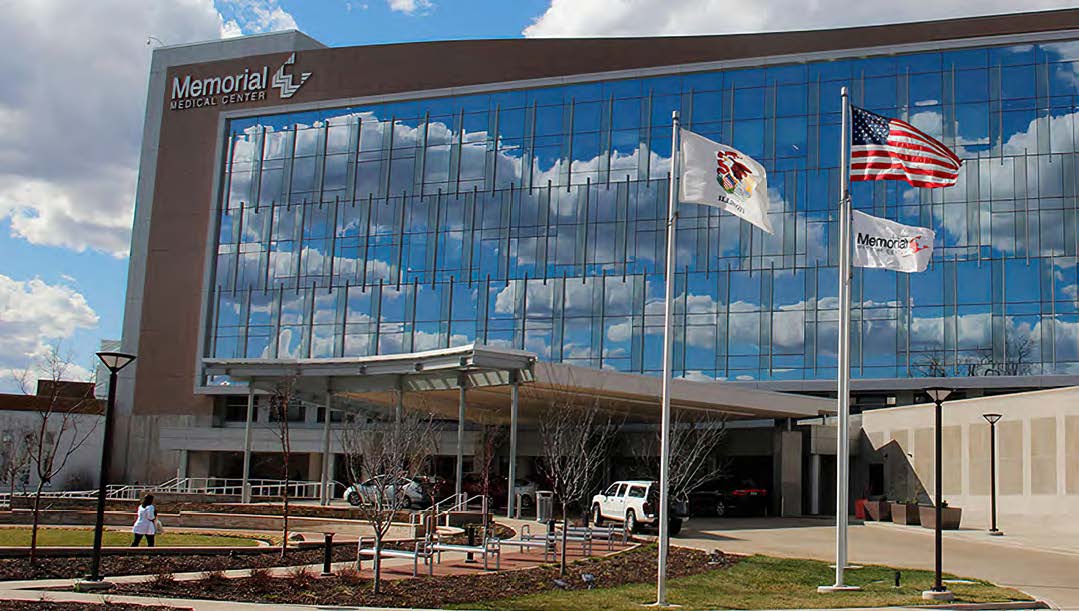 Springfield Memorial Hospital has baked safety into its culture. This 500-bed medical center in central Illinois serves as a major hub for medical education in affiliation with the Southern Illinois University School of Medicine. Located in the state capital, it delivers care to a substantial portion of the governmental workforce, including retirees. It serves and employs community members, standing as one of the region's largest employers alongside academic and government institutions. As one of the five hospitals in the Memorial Health system, Springfield Memorial Hospital provides services to approximately 40 counties in central Illinois and extending to St. Louis within a 90-mile radius. It holds the distinction of being a Level 1 trauma center and one of two Joint Commission-accredited, comprehensive stroke centers outside of Chicago in the state.
In 2019, after careful review, the system revised its statement of values to elevate safety as its foremost priority, followed by integrity, quality, and stewardship. To support and enhance a “Safety First” culture, the system launched a variety of successful programs at all of its hospitals, including Springfield Memorial Hospital..
Great Catch Award
 The Great Catch Award upholds a culture of continuous improvement by catching safety gaps before they reach patients or staff. Through a sophisticated electronic event reporting and management system called SENSOR (System for Event Notification to Support Organizational Reliability), the hospital has significantly enhanced its ability to learn from actual and near-miss events to bolster the culture of safety.
The hospital encourages employees at any level to share positive stories of safety practices being maintained in their units and to file reports on incidents of concern for hospital leaders to address. This helps Springfield Memorial Hospital recognize achievements and gather valuable data to understand safety concerns from patients and staff. These stories are then showcased throughout the hospital and the larger health system workforce to encourage positive and healthy feedback.
The process of gathering nominations for the Great Catch Award reflects an organic approach to feedback collection, essential for driving ongoing enhancements in patient care and operational efficiency. The Great Catch Award emphasizes the significance of embracing best practices from the field and implementing strategies to promote a positive and rewarding workforce culture. Ultimately, it enables Springfield Memorial Hospital to strengthen policies and systems for detecting and preventing harm, all while empowering leaders to support patients, staff, and those friends, family members, or partners of someone affected by a patient safety event.
Safety Summits
 Recognizing hospitals as the third most likely place for workplace violence events, Springfield Memorial Hospital has actively collaborated with local law enforcement agencies, including the chief of police, sheriff, and district attorney, to enhance understanding and develop improved methods for addressing violence perpetrated upon health care workers—particularly in the emergency department. To ensure a safe environment for both staff and patients, the hospital has organized recurrent Safety Summits to raise awareness about the challenges faced by health care workers and foster more effective partnerships with law enforcement.
To ensure a safe environment, Springfield Memorial Hospital utilizes the following strategies as part of its Safety Summits:
- Reinforcing a zero-tolerance stance on violence against workers, patients and visitors
- Collaborating with law enforcement for prosecution when appropriate
- Setting clear visitation expectations at the front entrance
- Developing and implementing planned responses to disruptive or violent individuals
- Increasing presence of off-duty police officers in the emergency department
- Advocating for legislation designed to protect health care workers
- Supporting a Multi-disciplinary Workplace Violence Committee to advance progress
Cultivating a Culture of Safety Is Key to Improving Care
Springfield Memorial Hospital embodies a steadfast commitment to patient safety and continuous improvement. Through strategic collaborations with law enforcement and innovative initiatives, like Safety Summits, the hospital prioritizes a safe environment for both staff and patients. The implementation of the Great Catch Award further underscores Springfield Memorial Hospital’s dedication to a culture of excellence and transparency. By embracing best practices and promoting a just culture, Springfield Memorial Hospital continues to lead the way in providing high-quality care to its community.
To learn more about hospital and health system leadership and commitment to patient safety visit aha.org/aha-patient-safety-initiative.
Patient Safety Member Stories
Key Resources
Related Resources
Guides and Reports
Issue Landing Page
Guides and Reports