

Advancing Health Podcast
How Hospital Sisters Health System Used the AHA Framework to Strengthen Workplace Safety
The Building a Safe Workplace and Community framework gave HSHS a common language, clarified priorities and helped leaders focus on the most effective ways to improve safety.
System Overview
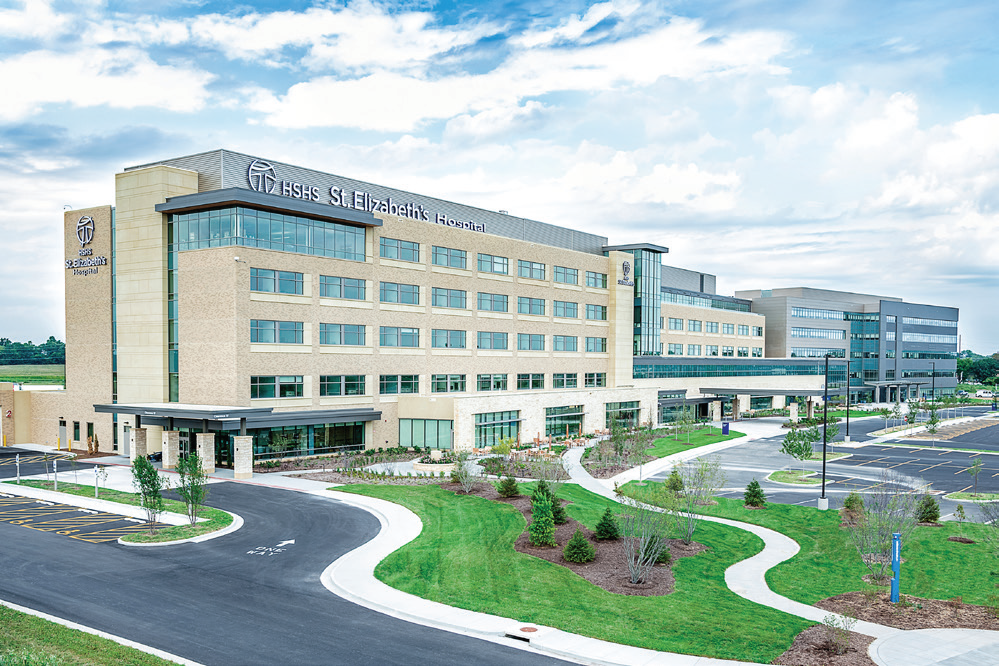
Hospital Sisters Health System (HSHS) is a notfor- profit organization that cares for patients at 13 hospitals and over 130 care locations in communities across Illinois and Wisconsin. Like many hospitals nationwide, HSHS faced rising incidents of workplace violence, which staff came to view as just a reality of their jobs.
Why HSHS Adopted the AHA Framework
At HSHS, the battle against workplace violence starts at the top. In late summer 2024, HSHS adopted the American Hospital Association’s Building a Safe Workplace and Community framework to better coordinate its violence prevention efforts. The framework provided HSHS with a structure to organize its existing activities and gave all of its staff a shared vocabulary for discussing safety. Within weeks, HSHS aligned ongoing and new initiatives under this model.
Trauma Support
The AHA framework includes four pillars, one of which is trauma support. This pillar emphasizes recognizing trauma and building reliable recovery pathways for staff. Using this guidance, HSHS expanded its Mental Health First Aid program across the system. Mental Health First Aid is a nationally recognized training that teaches people how to identify, understand and respond to signs of mental health or substance-use concerns.
Leaders wanted staff in every ministry to recognize trauma symptoms, behavioral health needs and early signs of escalation. They required all managers to complete the training, so supervisors had a shared foundation for responding consistently and supportively. More than 400 employees have completed the training since its expansion, and sessions now run year-round.
Leaders also created a dedicated paid-leave category for employees who experience violence, threats or harassment. Before implementing it, employees had only two options — return to work immediately after violent incidents or use their own sick or vacation time — which discouraged reporting and added stress to an already difficult experience. Nine employees have used the leave shortly after the benefit launched.
HSHS then integrated trauma support directly into its response process. When a staff member reports an event of workplace violence, response teams automatically receive alerts and reach out with Employee Assistance Program support, counseling referrals, check-in calls and care packages. This automated process reduces the burden on staff during an already stressful moment.
Outcomes:
- Staff report feeling seen and supported after incidents.
- Leaders now identify trauma earlier and respond more consistently. One employee noted that although violence had occurred before, this was the first time anyone reached out afterward to offer support.
Violence Intervention
The AHA framework calls for coordinated, communitywide approaches to violence prevention. In that spirit, HSHS expanded its intervention work by strengthening partnerships with local law enforcement, probation and parole teams, protective services agencies, behavioral health providers and neighboring hospitals. These partners review cases together and design shared responses for individuals who repeatedly present safety risks.
One ministry, for example, worked with staff from a nearby detention facility to create a joint care plan for a patient who frequently arrived with escalating behaviors. The plan spelled out what both hospital and detention staff should expect during the patient’s visit, including how the patient would be transported, how staff would communicate about risks and what steps each group would take if the situation escalated. These shared expectations reduced confusion and led to fewer and less severe disruptive incidents.
HSHS also worked with community partners to standardize how emergency departments support people seeking warmth or safety during winter. The agreements outlined expectations for police, social services, hospital staff or other support agencies, when someone presents to an emergency department for shelter. This included when hospitals would provide short-term support and when community partners would step in. Having the same expectations across agencies reduced waiting-room disruptions and ensured a consistent response during colder months.
Outcomes:
- HSHS and its partners reduced disruptive visits from high-risk, repeat patients.
- Hospitals and community agencies responded more consistently across locations, strengthening regional safety culture.
Risk Mitigation
Leaders trained staff across the entire health system on de-escalation techniques, helping them prevent and manage aggressive behavior. Staff learned safe positioning, communication methods, situational awareness and personal safety. Employees say it has helped them respond earlier and feel more confident during escalating encounters.
HSHS also streamlined its event reporting system to make it easier for employees to use. The organization cut the number of required fields from 18 to eight and added a safety hotline for immediate support. The organization’s hope is that simplifying the process will lead to increased reporting. Leaders refer to real-time dashboards to identify patterns, such as when incidents occur across specific units, shifts or times of day, and can adjust mitigation measures accordingly.
HSHS also further mitigated risk by adding duress buttons to employee badges. Staff can press the button to alert security teams and designated responders, who receive real-time location updates, including outdoor areas and parking lots.
Outcomes:
- Reporting increased, including verbal incidents that previously went unreported.
- The improved data enabled leaders to identify peak-risk hours and adjust security staffing accordingly.
- Duress-button activations led to quicker response times, especially in remote areas.
Culture of Safety
HSHS standardized and updated its patient code of conduct across all ministries and made it visible in every hospital. The revised code establishes shared expectations for safe behavior and gives staff clear, accessible language they can use to set limits and address escalating situations. Managers say this shared script has helped staff speak up sooner, respond more consistently and feel more psychologically safe during difficult encounters. The updated code gives staff the vocabulary they need, when they need it, “It lets staff say, I don’t have to subject myself to threatening or abusive language,” said Jennifer Balthazor, system risk officer.
Frontline staff, including a nurse manager, were also invited to recommend changes to the code. Their involvement strengthened ownership and ensured the final language reflected real needs at the bedside. Leaders say this collaborative approach reinforced psychological safety and made the tool more practical for daily use.
Quarterly leadership meetings reinforce these expectations and offer managers dedicated time to discuss challenges, share solutions and support each other as they implement the framework.
Outcomes:
- Staff gained a shared script for difficult interactions.
- Early de-escalation increased and staff reported higher confidence in handling threats.
Systemwide Results After Using the AHA Framework
As a result of implementing the AHA framework, HSHS leaders:
- Expanded Mental Health First Aid training so managers and staff could recognize trauma, behavioral health needs and early signs of escalation.
- Created a dedicated recovery pathway for employees affected by violence, threats or harassment.
- Built regular partnerships with law enforcement, probation and parole, behavioral health providers and neighboring hospitals to address recurring safety concerns. •
- Standardized patient code of conduct expectations across all ministries and gave staff consistent language to set limits.
- Streamlined event reporting, added a workplace violence hotline and issued duress buttons to all colleagues.
These changes led to:
- Higher reporting rates, including more early-stage and verbal incidents.
- More consistent responses across all hospitals.
- A pathway to work with disruptive patients to decrease recurrence.
- Faster security response times, including in remote areas and parking lots.
- Earlier outreach and support for staff after violent or threatening events.
Lessons Learned
Balthazor described using the AHA framework for the first time as an “aha moment.” The framework clarified the organization’s top safety priorities, created a shared vocabulary across all hospitals and helped leaders identify which strategies are most likely to reduce violence and strengthen safety — for example, trauma support, community partnerships, consistent expectations and environmental risk reduction — rather than dispersing efforts across unrelated or less effective activities.
To learn more about the AHA’s Hospitals Against Violence initiative, visit www.aha.org/HAV.
Listen to AHA’s companion podcast on this topic, A Proactive Approach to Workplace Violence.
For more information, contact Thomas Ahr, Senior Vice President and Chief Human Resources Officer, at thomas.ahr@hshs.org.