

4 Digital Health Projects Transforming Care Delivery
After surging in popularity during the pandemic, telehealth has become an established element in the health care ecosystem. Since 2023, telehealth utilization for primary care appointments, for example, has stabilized at about 6% to 7%, signaling “a new steady state in the balance between virtual and in-person care,” according to an Epic Research analysis.
Across the country, hospitals, health systems and other organizations seeking to expand access to care (particularly for residents of rural areas) have launched digital health initiatives in recent years to include telehealth programs, AI tools and data-driven platforms. Here are a few notable projects and innovations in the realm of remotely delivered health services that can serve as inspiration for others looking to transform care delivery.
(Note: This is not an exhaustive list.)
1 | Rush University System for Health offers direct-to-consumer telehealth service.
In 2025, Chicago-based Rush University System for Health debuted a direct-to-consumer telehealth membership service, Rush Connect+, which allows patients to access personalized care on demand for $19 per month or $189 per year.
The service includes a direct line to a human assistant available via phone or live chat seven days per week to answer questions and help schedule appointments. Additionally, members of the service have access to 24/7 virtual urgent care and free prescription delivery. It builds on Rush Connect, which encompasses all the system’s digital-first health offerings.
“There are many options for virtual care these days, but none is as comprehensive or connected into the fabric of the top-quality health system as what we have created on our Rush Connect platform,” Paul Casey, M.D., senior vice president and chief medical officer at Rush University System for Health, said in a press release. “Rush Connect+ is a natural extension of that platform to create a seamless, concierge-level care navigation experience and access to 24/7 virtual urgent care anywhere in the country.”
2 | University of Utah Health expands TeleNICU services.
University of Utah Health in Salt Lake City supports rural providers with its TeleNICU services, which connect Well Baby Nurseries with neonatologists and the AirMed perinatal team. The provider is launching new sites in Wyoming and Montana also plans to add locations in Nevada.
3 | New Mexico libraries install soundproof telehealth booths.
During the past year, the New Mexico State Library and the University of New Mexico Health Sciences Library and Informatics Center have partnered with seven libraries across the state to construct and install sound-dampening booths that facilitate telehealth appointments. Funded with a grant for approximately $800,000 from the U.S. Department of Agriculture Distance Learning and Telemedicine program, these booths give library patrons a private place to attend virtual appointments and partake in other activities, such as completing homework and recording podcasts.
Each booth (7 feet wide by 7 feet long and 10 feet tall) costs about $12,000 and comes equipped with internet access and a computer. The goal is to eventually install 14 of these booths in libraries across New Mexico, expanding access to care in a state where many residents must drive two hours or more for in-person treatment, says Bo Ford, digital equity program manager in the broadband department of the New Mexico State Library.
Ford notes that the project team is open to partnerships with health care providers, and feedback from libraries and patrons has been positive so far.
“It’s a big help,” he said. “It’s a game changer for some places.”
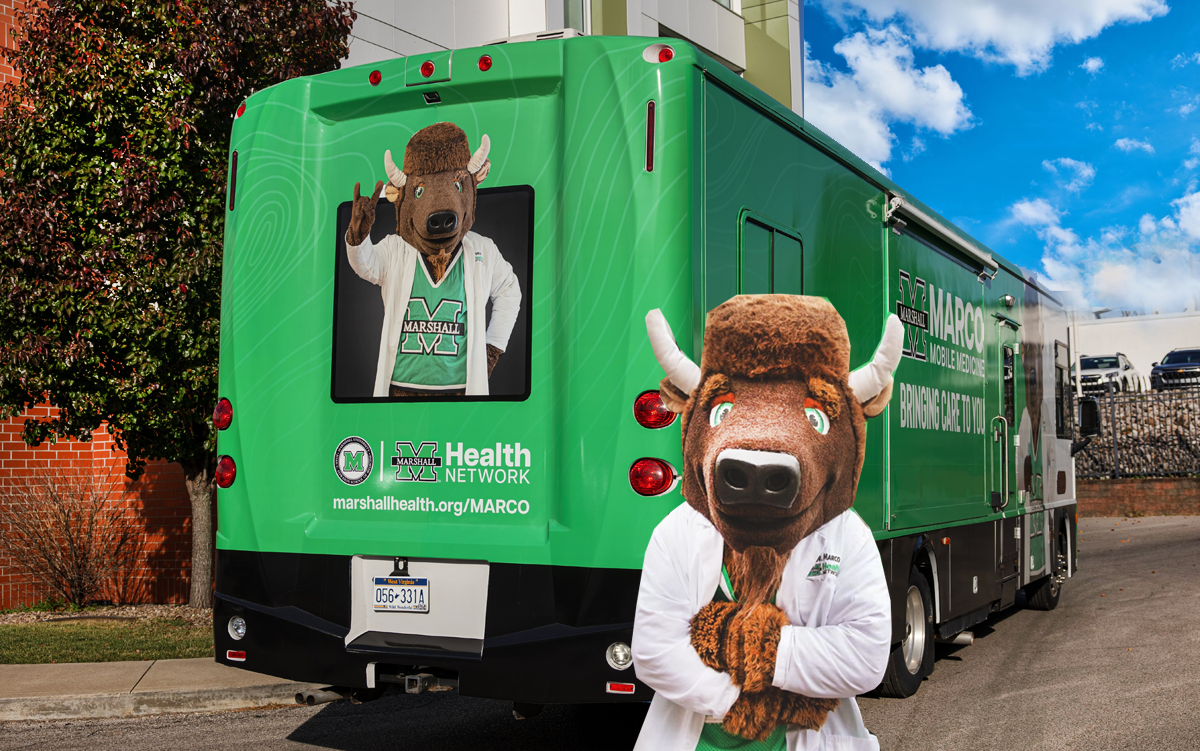
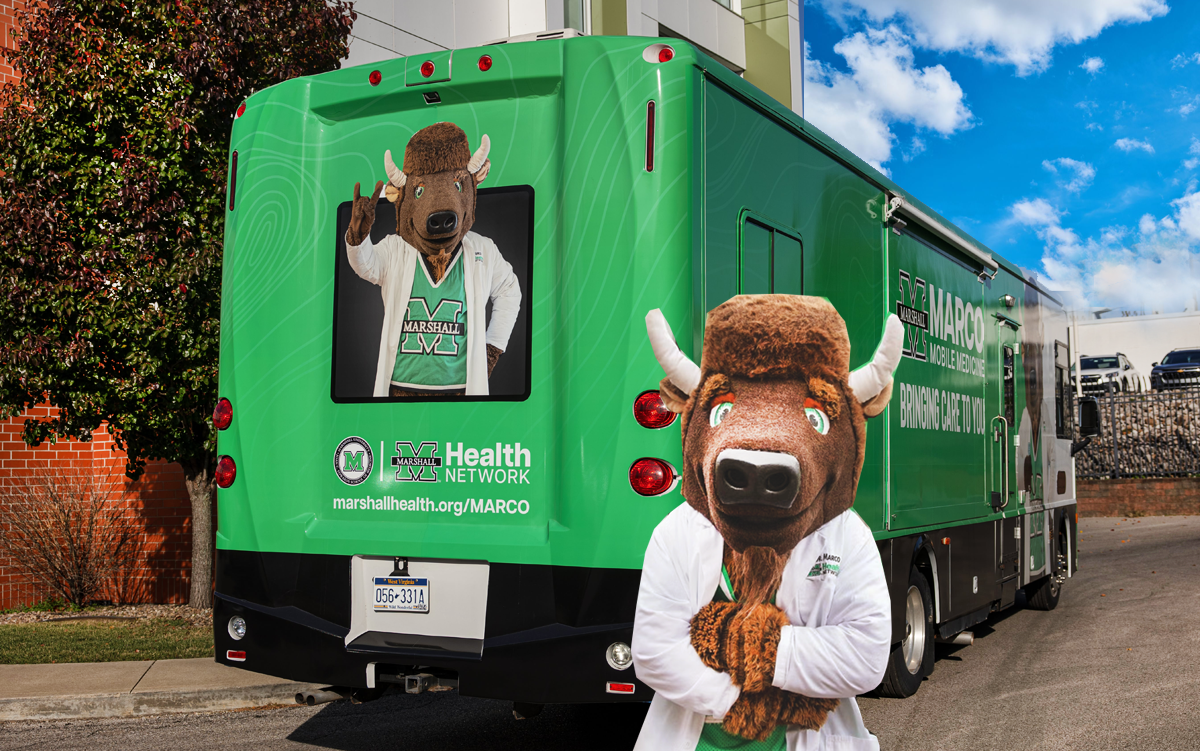
4 | Mobile medical unit delivers care to 40 West Virginia counties.
In 2025, the Marshall Health Network (MHN) and Joan C. Edwards School of Medicine at Marshall University in Huntington, West Virginia, unveiled a mobile medical unit with telehealth capabilities to provide care throughout the 40-county MHN service area.
The 38-foot unit also has a waiting area, restroom, two fully equipped exam rooms and a blood draw area. The state-of-the-art mobile clinic aims to improve care access across Appalachia, meeting patients where they live and work and providing both virtual and in-person consultations.
“Access to care continues to be one of the greatest challenges in rural health,” Marshall Health Network President and CEO Scott Raynes said in a press release. “By addressing transportation barriers and bringing care directly where it’s needed — whether in person or through telehealth — Marco Mobile Medicine helps improve early detection, strengthen chronic disease management and give more West Virginians the opportunity to live longer, healthier lives.”



Related Resources
AHA Center for Health Innovation Market Scan
AHA Center for Health Innovation Market Scan