

STUDY: EHR Flags Medication Non-adherence, Reducing Transplant Rejection Risk
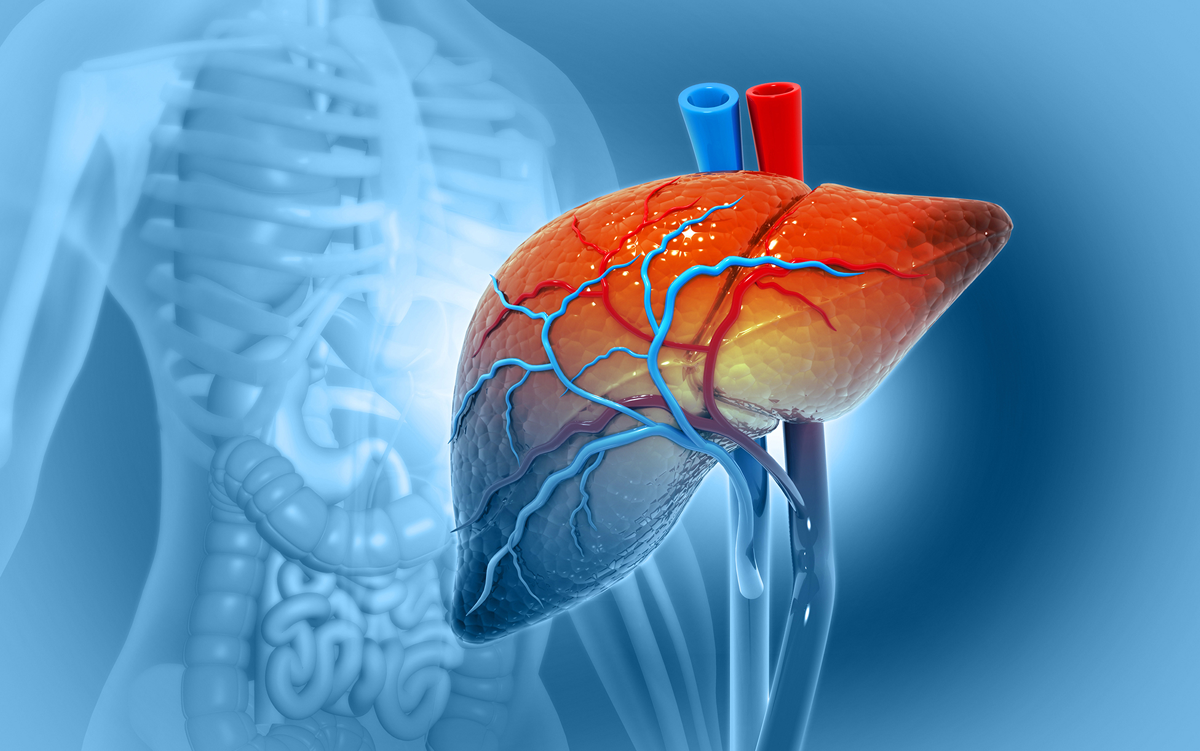
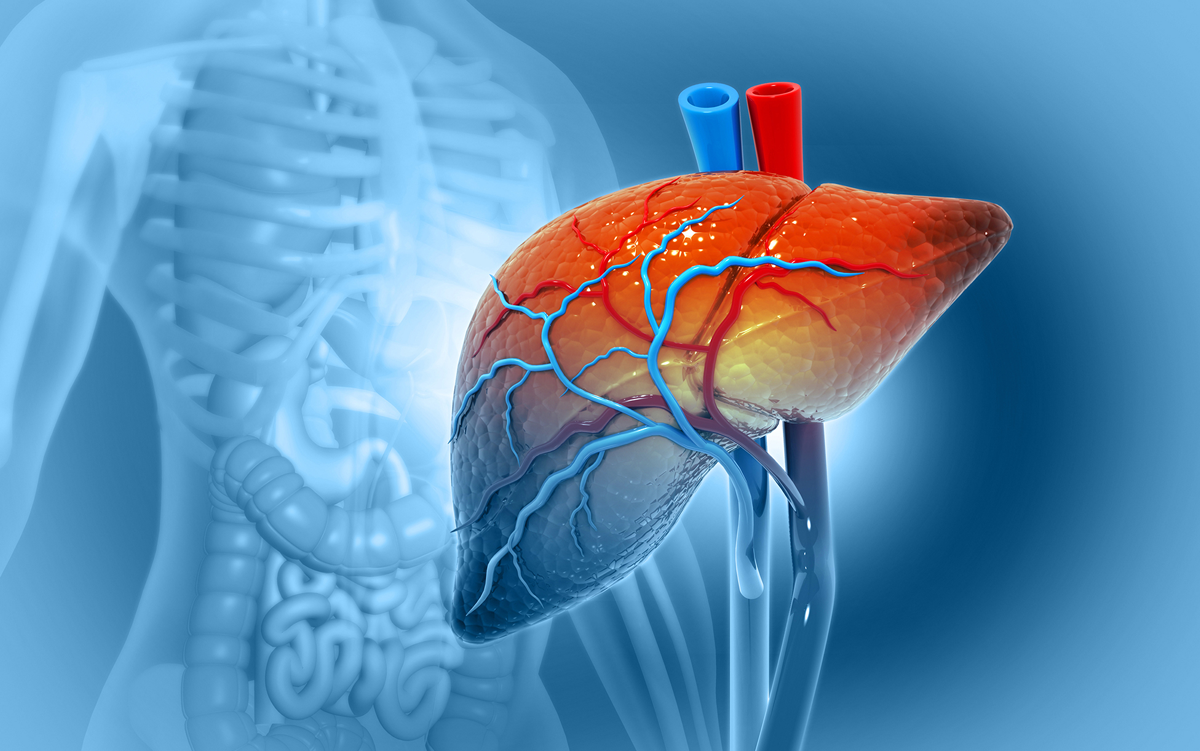
A novel electronic health record-based marker can alert clinicians to medication non-adherence in transplant patients and facilitate early intervention, reducing the likelihood of organ rejection, according to a study recently published in the American Journal of Transplantation.
The study — led by researchers at Houston-based Texas Children’s Hospital and New York City-based Mount Sinai Health System — found that the Medication Level Variability Index (MLVI) can identify adolescent and young adult patients with an elevated probability of organ rejection and help clinicians implement interventions to improve outcomes after a liver transplant, according to a press release from Texas Children’s.
How the MLVI Marker Identifies Transplant Patients at Risk of Organ Rejection
In the randomized controlled trial conducted across 13 pediatric transplant centers in the U.S. and Canada, researchers screened 3,017 health records and ultimately identified 148 participants at elevated risk of organ rejection, who were then enrolled with consent. Those patients were then assigned either to a two-year remote behavioral health intervention to support prescribed medication use or to the standard of care. The study began in November 2018 and concluded in October 2025.
Notably, rejection rates fell across both groups — suggesting that the act of identification and monitoring itself may drive better adherence, not just the behavioral intervention. Using the MLVI marker to routinely flag non-adherent patients seemed to significantly decrease rejection rates across all sites.
Why Routine Monitoring, Not Just Intervention, May Lower Rejection Rates
“What this study shows is that we can identify patients who are not taking their medications as prescribed using data we already have in the electronic health record — and act before serious complications occur,” said Eyal Shemesh, M.D., a professor of pediatrics and of psychiatry at Icahn School of Medicine at Mount Sinai, and the study’s principal investigator, in the press release.
Not taking prescribed medication is a leading cause of organ rejection after a transplant, especially among younger patients, according to the study. However, clinicians have historically had to rely on resource-intensive monitoring methods or patient self-reporting (which can be unreliable) to ensure compliance.
“Adherence has always been one of the most challenging issues we face in transplant medicine, because staying on track with complex medical care can be overwhelming, especially for adolescents,” said Benjamin L. Shneider, M.D., senior author of the study and chief of gastroenterology, hepatology and nutrition at Texas Children’s. “This work shows it is possible to recognize nonadherence early and address it before it leads to life-threatening consequences.”
The study’s findings demonstrate how EHR systems can support clinicians in initiating early interventions and accelerating the delivery of lifesaving care, leading to better outcomes.



Related Resources
AHA Center for Health Innovation Market Scan
AHA Center for Health Innovation Market Scan
AHA Center for Health Innovation Market Scan