

Building a Sustainable Physician Workforce through Virtual Care
Health systems are confronting a workforce reality that no longer can be solved through incremental hiring or site-based staffing alone. Physician shortages are deepening, demand for specialty care is rising and burnout remains widespread across clinical roles. The AHA Market Scan's latest Trailblazers report makes the case that sustainable workforce solutions will require a fundamental redesign of how clinical expertise is deployed across health systems.
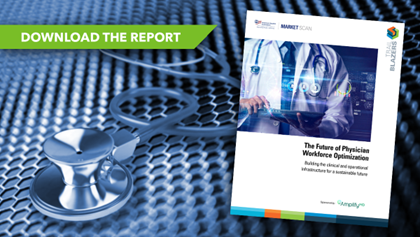
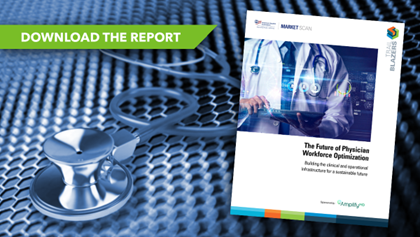
The Future of Physician Workforce Optimization: Building the Clinical and Operational Infrastructure for a Sustainable Future, sponsored by AmplifyMD, explores how integrated virtual specialty care models are helping hospitals extend scarce expertise, stabilize coverage and improve access to care without increasing clinician burden.
The pressures are mounting. National projections show growing shortages across key specialties, while both rural and urban hospitals report persistent gaps in specialty coverage. Traditional, site-bound staffing models struggle to flex with fluctuating demand, leading many systems to rely heavily on locum tenens physicians and fragmented coverage approaches. The report argues that these stopgap measures often increase cost and complexity without addressing the underlying structural problem.
In response to this challenge, leading health systems are turning to virtual care platforms with advanced features that allow physician expertise to be shared across multiple facilities in real time. When paired with standardized workflows and automation, these models enable faster consult response times, more reliable coverage and better alignment between supply and demand. Case studies from Memorial Hermann Health System, AdventHealth Redmond and MUSC Health show how virtual specialty care can reduce unnecessary transfers, preserve high-acuity service lines and support clinicians working at the top of their license.
The report also highlights the role of AI-driven workflow automation in reducing administrative friction — streamlining consult routing, documentation and coordination so clinicians can focus on patient care. These operational gains translate directly into improved clinician experience, reduced burnout and more sustainable workforce models.
Download the full Trailblazers report to explore strategies, data and real-world examples from health systems leading this transformation.



Related Resources
AHA Center for Health Innovation Market Scan
AHA Center for Health Innovation Market Scan
AHA Center for Health Innovation Market Scan